
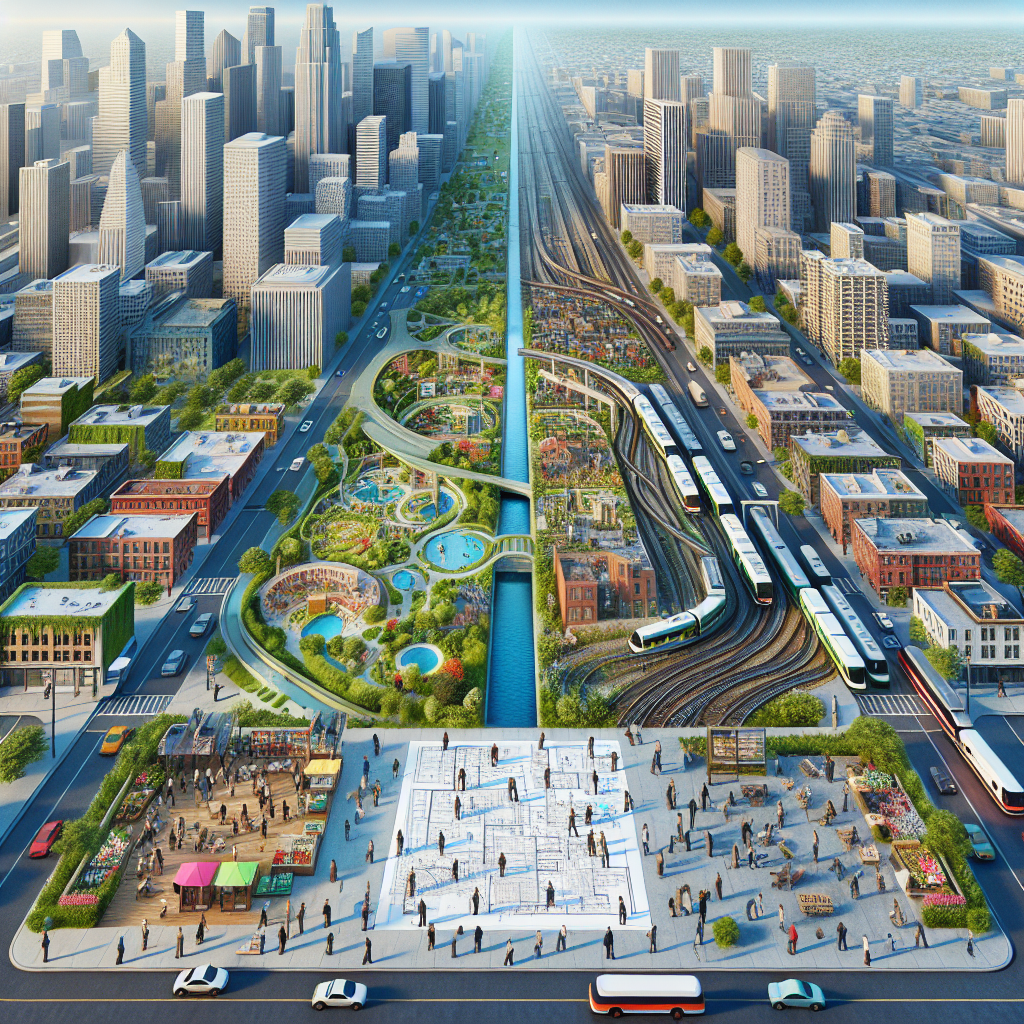
Urban planning is a powerful tool that shapes the physical, social, and economic fabric of cities. Whether it’s revamping dilapidated neighborhoods or designing the infrastructure for a burgeoning metropolis, planners serve as the architects of a community’s future. The intricate process involves balancing diverse interests and needs, from affordable housing to commercial development, and everything in between. But beyond its fundamental role in organizing spaces, urban planning stands as a cornerstone of economic revitalization. This article explores how strategic urban planning policies can catalyze economic growth, foster sustainable development, and rejuvenate urban communities.
The term “economic revitalization” refers to the efforts made to stimulate economic growth and improve the socioeconomic conditions within a specific area. This could mean anything from creating jobs to improving public facilities, increasing affordability, or attracting investments. Urban planners are at the heart of these efforts. By implementing carefully considered policies and undertaking various projects, they lay the groundwork for a vibrant, economically viable environment. This piece delves into the numerous facets of urban planning and places a spotlight on its indispensable role in economic revitalization.
Urban Planning and Job Creation
One of the direct impacts of urban planning on economic revitalization is job creation. When cities undertake new development projects, they generate immediate employment opportunities in construction and related industries. However, the benefits extend well beyond temporary construction jobs. Strategically placed commercial zones or hubs can attract businesses, which in turn create long-term employment opportunities for local residents.
For example, consider how the development of a new business district can transform an area. Initially, the project employs architects, engineers, and construction workers. Upon completion, new businesses move in, employing office staff, support services, and other personnel. This multifaceted job creation spurs local economic activity as employees spend their income on goods and services within the community, thereby creating a ripple effect of economic benefits.
Moreover, comprehensive urban planning often includes workforce development programs. These initiatives are designed to equip local residents with the skills needed for emerging job opportunities. From vocational training to higher education partnerships, planners strive to align community needs with economic activities, ensuring a workforce that is prepared to support sustainable economic growth.
Infrastructure Improvement
A well-planned infrastructure is the backbone of any thriving economy. Urban planning policies typically emphasize the development and maintenance of essential infrastructure, such as roads, public transportation, utilities, and communications networks. These improvements can significantly enhance the quality of life for residents while making the area more attractive to businesses and investors.
Take public transportation, for instance. Efficient and accessible transit systems can reduce commute times, decrease traffic congestion, and lower pollution levels. This not only improves the daily lives of residents but also makes the area more appealing to potential employers and investors who value sustainability and employee well-being.
Furthermore, modern infrastructure provides the foundation for innovative economic activities. High-speed internet, for example, is crucial for businesses in the digital age. Urban planners are increasingly incorporating smart city technologies to ensure that cities can compete on a global scale. These investments create an environment conducive to business growth, thereby fostering long-term economic revitalization.
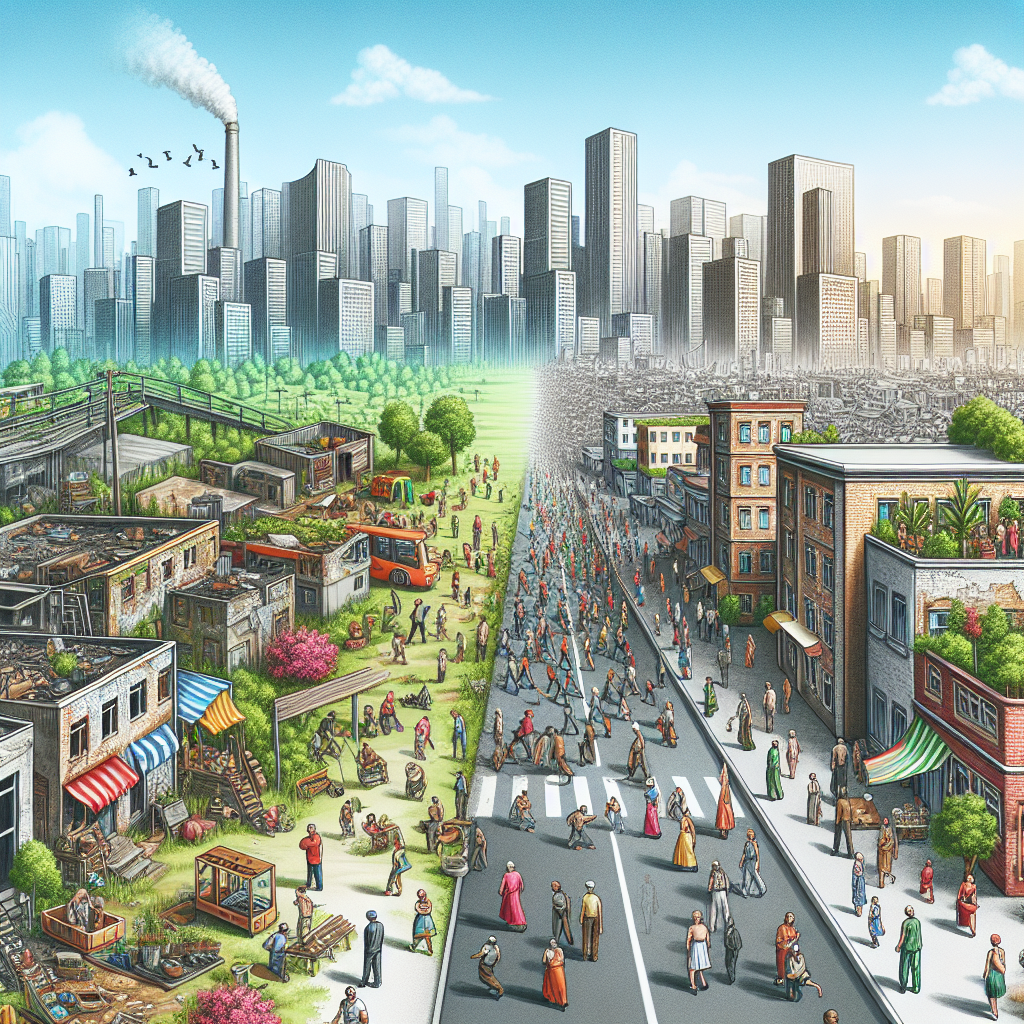
Revitalizing Aging Neighborhoods
Revitalizing aging neighborhoods is another critical aspect of urban planning that drives economic revitalization. Over time, certain areas can experience decline due to a variety of factors, such as shifting economic activities, population movements, or aging infrastructure. Through targeted interventions, urban planners can breathe new life into these areas.
These interventions often include mixed-use developments, public spaces, and affordable housing projects. Mixed-use developments combine residential, commercial, and recreational spaces, encouraging a diverse and vibrant community. Public spaces, such as parks and plazas, enhance the neighborhood’s attractiveness and livability, drawing in residents and visitors alike.
Affordable housing is another key component. By ensuring that there are living arrangements for diverse income levels, planners can foster inclusive growth. This not only helps retain existing residents but also attracts new ones, contributing to the economic vitality of the area. Additionally, these projects often lead to increased property values, boosting local tax revenues, which can be reinvested into further community improvements.
Sustainability and Economic Benefits
The drive towards sustainability has become a significant element of modern urban planning, and it carries substantial economic benefits. Eco-friendly development practices and green spaces are designed to reduce the environmental footprint of urban areas while also promoting economic stability and growth.
Sustainable urban planning often includes the creation of green belts, energy-efficient buildings, and renewable energy projects. Green belts and parks not only provide residents with recreational spaces but also contribute to cleaner air and lower temperatures in urban areas. Energy-efficient buildings reduce utility costs, making them appealing to both residential and commercial tenants.
Moreover, implementing renewable energy projects can generate new industries and job opportunities in the green energy sector. The focus on sustainability attracts environmentally-conscious businesses and residents, fostering a culture of responsibility and long-term planning. Such practices ensure that economic growth does not come at the expense of environmental degradation, aligning short-term goals with long-term sustainability.
Community Engagement and Policy-Making
Community engagement is critical for the success of urban planning and economic revitalization efforts. Involving residents in the planning process ensures that policies and projects reflect the community’s needs and aspirations. This participatory approach fosters a sense of ownership and responsibility among residents, which can contribute to the long-term sustainability of revitalization efforts.
Effective community engagement can take many forms, such as public consultations, surveys, workshops, and town hall meetings. These platforms allow residents to voice their concerns, provide feedback, and contribute ideas. Planners can use this information to adapt their strategies, ensuring that they align with the community’s values and priorities.
Moreover, inclusive policy-making enhances social cohesion and trust between residents and authorities. When people feel that their voices are heard and their concerns are addressed, they are more likely to support and participate in revitalization efforts. This collective effort drives social and economic progress, turning plans into reality through active community participation.
Conclusion
Urban planning is a multifaceted discipline that plays a pivotal role in economic revitalization. By creating jobs, improving infrastructure, revitalizing aging neighborhoods, promoting sustainability, and engaging the community, planners lay the groundwork for vibrant and resilient urban areas. These efforts not only boost local economies but also enhance the quality of life for residents, creating a synergistic effect that fosters long-term growth and prosperity.
The process of economic revitalization is complex and requires strategic planning, collaboration, and innovation. Urban planners must navigate various challenges, balance competing interests, and continuously adapt to changing circumstances. However, the potential rewards are immense. Successful urban planning can transform struggling areas into thriving communities, fostering inclusive growth and sustainable development.
As cities continue to evolve and face new challenges, the importance of thoughtful and proactive urban planning cannot be overstated. By embracing a holistic approach that considers economic, social, and environmental factors, planners can ensure that urban areas are not only economically viable but also livable and sustainable for future generations. Urban planning thus emerges as a crucial driver of economic revitalization, shaping the cities of tomorrow and paving the way for a prosperous future.
Frequently Asked Questions
1. What is the primary role of urban planning in economic revitalization?
Urban planning serves as a strategic framework that guides the growth and development of cities, particularly in their quest for economic revitalization. Its primary role is to create a visionary plan that aligns with economic goals, ensuring sustainable development and attracting investment. By carefully assessing and balancing commercial needs, residential requirements, and infrastructure demands, urban planners set the stage for a thriving economic landscape. This involves revitalizing underutilized areas, optimizing land use, enhancing connectivity and access, and fostering an environment where businesses can thrive and residents can enjoy improved quality of life.
2. How does urban planning influence job creation in struggling neighborhoods?
Urban planning has the potential to transform struggling neighborhoods by fostering an environment conducive to job creation. Through strategic land use planning, planners can designate areas for commercial activities, spur new business developments, and support local entrepreneurship. This could mean repurposing industrial lands into mixed-use developments that blend residential and commercial spaces, creating more business opportunities. By improving transportation infrastructure and connectivity, access to employment is enhanced, encouraging companies to move or expand operations in these areas. The result is an increased demand for local labor, which spurs job creation, thereby revitalizing neighborhood economies.
3. In what ways does urban planning contribute to sustainable development?
Urban planning plays a crucial role in achieving sustainable development by promoting resources-efficient land use and encouraging environmentally friendly practices. Planners advocate for green spaces, sustainable public transit networks, and energy-efficient buildings. By integrating smart growth principles, such as compact living and mixed-use zoning, urban plans discourage urban sprawl and reduce the carbon footprint. The focus on walkability, cycling infrastructure, and public transportation not only helps reduce reliance on cars but also promotes healthier lifestyles. These efforts ensure that cities grow in a sustainable manner, protecting the environment while supporting economic prosperity.
4. How does urban planning address the challenge of affordable housing?
The challenge of affordable housing is a critical issue that urban planning addresses through various strategies. Planners work to integrate affordable housing into broader community plans by including Inclusionary Zoning policies, which require or incentivize developers to provide a certain percentage of units at affordable rates. Additionally, urban planning can involve the adaptive reuse of existing structures, transforming old commercial or industrial buildings into affordable residential units. Planners also identify and zone areas for housing developments to ensure they align with transportation, work centers, and essential services, thereby increasing access to opportunities for lower-income residents. The goal is to create diverse, inclusive communities that cater to varied income levels, strengthening social and economic fabric.
5. Can urban planning help reduce socio-economic disparities, and if so, how?
Urban planning can play an instrumental role in reducing socio-economic disparities by crafting inclusive and equitable growth strategies. Planners aim to distribute resources, amenities, and services more uniformly across different areas. By focusing on equitable transit-oriented development, marginalized communities gain better access to economic opportunities, health care, and education. Furthermore, creating vibrant mixed-use neighborhoods can help bridge the gap between different socio-economic groups, enhancing social cohesion. Planners advocate for policies that increase local employment opportunities, improve housing quality, and provide access to community development resources. This comprehensive approach seeks to level the playing field, offering all residents a fair chance to benefit from economic growth.


