

As urbanization continues to expand, the phenomenon of urban heat islands (UHIs) becomes a growing concern. Urban areas are often significantly warmer than their rural surroundings, primarily due to human activities and the modification of natural landscapes. This temperature increase not only affects the comfort and health of city residents but also contributes to higher energy consumption and, consequently, greater greenhouse gas emissions. These effects can be particularly acute in affordable housing sectors, where financial constraints limit the implementation of mitigating technologies and residents often suffer disproportionately from heat-related health issues.
Understanding the connection between affordable housing and UHIs is crucial for urban planners, policymakers, and communities to create sustainable and livable cities. This article will delve into various strategies to mitigate the impact of urban heat islands, specifically within the context of affordable housing. We will explore building design and materials, green infrastructure, community-based solutions, and policy interventions, all aimed at making urban environments more resilient to the effects of heat.
Building Design and Materials
The design and materials used in construction play a significant role in the thermal behavior of buildings. For affordable housing projects, adopting heat-resilient building designs can mitigate the impacts of UHIs effectively. One effective method is the use of reflective roof coatings, also known as cool roofs. These roofs are specifically designed to reflect more sunlight and absorb less heat compared to standard roofing materials. By reducing the amount of heat transferred into buildings, cool roofs can significantly lower indoor temperatures and reduce the need for air conditioning.
Another approach is the incorporation of advanced insulation materials that help maintain indoor temperatures, reducing the reliance on external cooling systems. High-performance insulation can be particularly beneficial in older affordable housing units, which may not have been built with heat resilience in mind. Additionally, using light-colored or reflective building materials for walls and pavements can reduce heat absorption, further contributing to cooler building interiors and surroundings.
Green Infrastructure
Green infrastructure refers to the use of vegetation and natural processes to manage environmental conditions and provide cooling benefits. In the context of affordable housing, integrating green spaces such as parks, community gardens, and green roofs can be highly effective in mitigating UHIs. Vegetation provides shading, enhances evapotranspiration, and improves air quality, all of which contribute to cooling urban areas.
Green roofs, in particular, offer a dual benefit by providing insulation to buildings and reducing the ambient temperature of urban areas. These roofs are covered with vegetation and soil, which help absorb rainwater, provide insulation, and increase the longevity of the roofing materials. For affordable housing complexes, retrofitting existing buildings with green roofs can be a cost-effective solution to enhance thermal comfort and reduce energy bills.
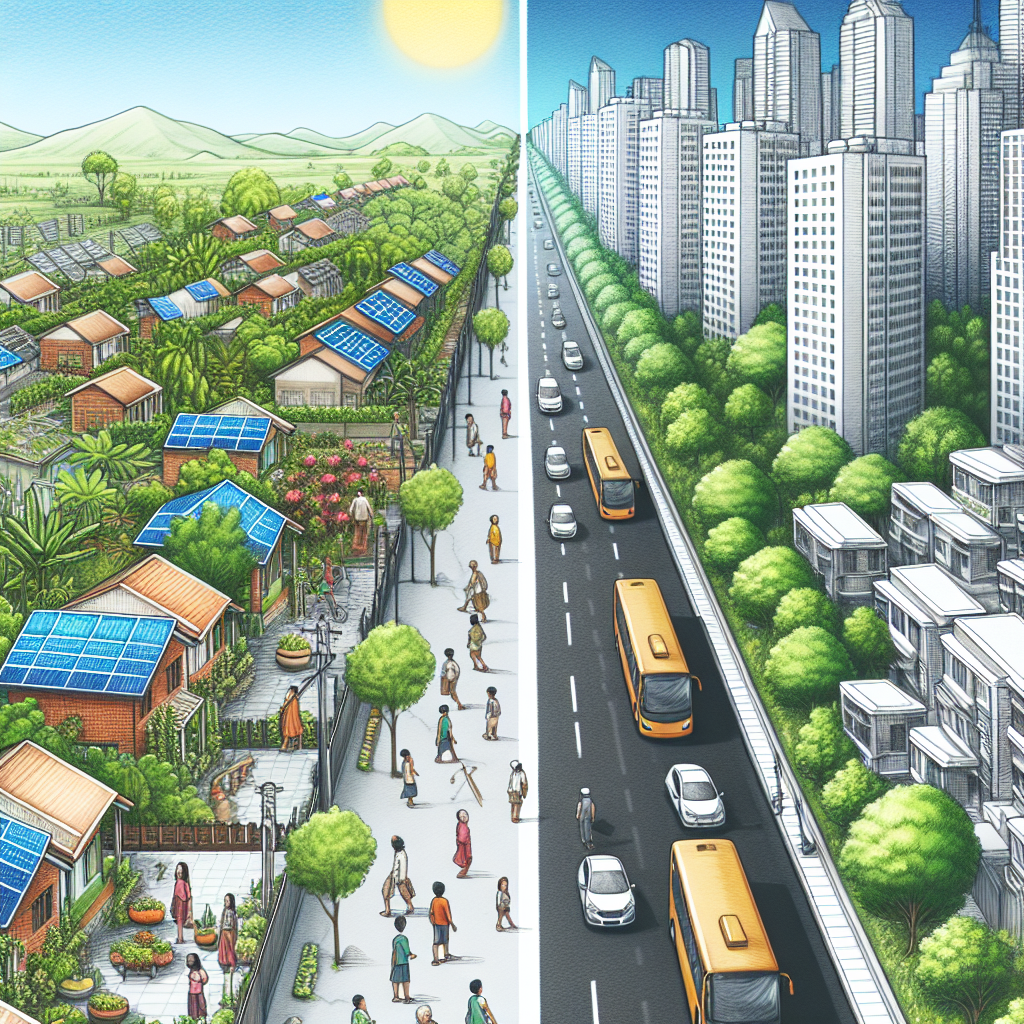
Community-Based Solutions
Engaging the community in UHI mitigation efforts is essential for creating sustainable and resilient urban environments. Community-based solutions encourage residents to participate in initiatives such as tree planting programs, urban gardening, and the maintenance of green spaces. These activities not only improve the local microclimate but also foster a sense of ownership and responsibility among community members.
Educational programs can also be implemented to raise awareness about the benefits of green infrastructure and sustainable building practices. By educating residents on the importance of mitigating UHIs, communities can collectively adopt practices that contribute to cooler and more livable neighborhoods. Additionally, community-driven projects often attract volunteer labor and local support, making them more feasible and sustainable in the long term.
Policy Interventions
Effective policy interventions are crucial for promoting UHI mitigation strategies in affordable housing. Governments and local authorities can play a pivotal role by establishing regulations and incentives that encourage the adoption of heat-resilient building practices and green infrastructure projects. For example, building codes can be updated to require the installation of cool roofs and high-performance insulation in new affordable housing developments.
Incentive programs such as grants, tax rebates, and low-interest loans can be provided to support retrofitting efforts in existing affordable housing units. Municipalities can also develop urban planning guidelines that prioritize the creation and maintenance of green spaces, tree canopy coverage, and other cooling infrastructures. These policies not only enhance the resilience of affordable housing but also contribute to the overall sustainability and livability of cities.
Technological Innovations
Technological advancements offer promising solutions for mitigating the effects of UHIs. Innovations such as smart urban planning tools, advanced materials, and energy-efficient building technologies can significantly contribute to creating heat-resilient affordable housing. For instance, the use of cool pavement technologies, which involve the application of reflective coatings to reduce surface temperatures, can be implemented in housing complexes to lower the ambient temperature.
Another innovation is the integration of Internet of Things (IoT) devices to monitor and manage energy consumption and indoor temperatures. Smart sensors can optimize heating, ventilation, and air conditioning (HVAC) systems, ensuring efficient energy use and maintaining comfortable indoor conditions. These technologies can be particularly beneficial in affordable housing, where energy costs are a significant concern for residents.
Global Best Practices
Many cities around the world have implemented successful UHI mitigation strategies that can serve as models for affordable housing projects. For example, Singapore has extensively integrated green infrastructure into its urban planning, creating lush green corridors and rooftop gardens that contribute to cooling the city. The city’s highly efficient public housing system incorporates these green elements, providing residents with a cooler living environment.
Similarly, Copenhagen has implemented comprehensive urban design strategies to manage heat and improve environmental conditions. The city’s “Climate-Resilient Neighborhood” project focuses on enhancing green spaces, optimizing water management, and incorporating sustainable building practices. These international examples demonstrate the effectiveness of collaborative and integrated approaches in mitigating the impacts of UHIs and can offer valuable insights for affordable housing sectors worldwide.
Conclusion
The challenge of mitigating urban heat islands in affordable housing requires a multifaceted approach that combines building design, green infrastructure, community engagement, policy interventions, and technological innovations. As urbanization progresses, addressing the impacts of UHIs becomes increasingly critical for ensuring the health, comfort, and well-being of city residents, particularly those in financially constrained housing sectors.
By adopting heat-resilient building materials, integrating vegetation and natural cooling solutions, and fostering community participation, cities can create more sustainable and livable environments. Policy support and technological advancements further enhance these efforts, providing the necessary resources and tools to implement effective UHI mitigation strategies.
Ultimately, a comprehensive and collaborative approach is essential for tackling the challenges posed by urban heat islands. By prioritizing the resilience of affordable housing, cities can promote equity, sustainability, and long-term urban health, paving the way for a cooler and more comfortable future for all residents.
Frequently Asked Questions
1. What is an Urban Heat Island (UHI) and how does it affect affordable housing communities?
An Urban Heat Island (UHI) occurs when urban areas experience significantly higher temperatures compared to their rural surroundings. This phenomenon is primarily due to human activities, the built environment, and the alteration of natural landscapes. The dense concentration of buildings, roads, and infrastructure absorbs and retains heat more than natural landscapes, which are often more capable of dissipating it.
For affordable housing communities, the implications of UHIs are particularly pronounced. These communities often have less access to efficient cooling technologies like air conditioning, making them vulnerable during heatwaves. Residents in affordable housing experience higher discomfort levels, exacerbating existing health conditions such as respiratory issues or heat strokes. Furthermore, energy costs rise as more electricity is needed to cool homes, adding financial strain to already cost-burdened households. Thus, addressing UHIs is not just about climate adaptation but also about equity and ensuring everyone has access to healthy, liveable environments.
2. What strategies can be implemented to mitigate Urban Heat Islands in affordable housing neighborhoods?
To effectively mitigate UHIs in affordable housing neighborhoods, a multi-faceted approach is necessary. Here are some key strategies:
1. Green Roofs and Walls: Installing green roofs and walls on buildings helps to absorb less heat, provide natural cooling through evaporation, and reduce indoor temperatures.
2. Urban Forestry: Planting trees and creating green spaces can lower temperatures by providing shade and cooling the air through transpiration. It’s crucial to integrate parks and green belts in urban planning.
3. Cool Roofs and Pavements: Utilizing reflective materials for roofs and pavements can reduce the heat absorption of buildings and roads, which leads to lower urban temperatures.
4. Community Engagement: Engaging the community in planning and implementing UHI mitigation efforts ensures these strategies meet residents’ specific needs and fosters stewardship over the environment.
5. Policy and Regulations: Implementing building codes and policies that mandate energy efficiency, sustainable construction practices, and the inclusion of cooling strategies can go a long way toward reducing the effects of UHIs in these areas.
3. Why is it important to focus on affordable housing areas when addressing Urban Heat Islands?
Affordable housing areas often house vulnerable populations who are more susceptible to the adverse effects of extreme heat caused by UHIs. These areas typically lack the infrastructure and resources to sufficiently cope with elevated urban temperatures. For example, buildings in affordable housing projects might be older or constructed with materials that do not insulate well against heat.
Moreover, residents in these areas may have limited financial means to afford air conditioning or other cooling systems. Heatwaves can therefore lead to serious health risks, exacerbated by other socio-economic challenges that residents may face. By focusing on affordable housing areas in UHI mitigation efforts, policymakers and urban planners can promote fairness and ensure that all community members, regardless of income, have access to comfortable and safe living conditions. This approach also fosters resilient communities better prepared to handle the impacts of climate change.
4. How does urban planning contribute to the reduction of Urban Heat Islands?
Urban planning plays a pivotal role in reducing the heat island effect by guiding the development of cities in ways that lessen heat retention and enhance cool climates. Effective urban planning focuses on several critical factors:
1. Land Use Planning: Thoughtful zoning and land use plans can encourage the preservation and expansion of green spaces, water bodies, and parklands, all of which contribute to cooling urban temperatures.
2. Infrastructure Development: Encouraging or mandating the use of environmentally friendly materials in new developments can help reduce the heat island effect. This includes cool roofing materials, permeable pavements, and energy-efficient building designs.
3. Transportation Infrastructure: Reducing reliance on personal vehicles through the development of efficient public transportation systems can decrease heat emissions from vehicles. Moreover, installing tree-lined streets and transit corridors can provide natural shade and cooling.
4. Policy Integration: Urban planners can integrate heat reduction goals within broader city planning policies that encompass climate action plans, sustainability goals, and energy efficiency targets. Planning should be inclusive of every community, including those in affordable housing, to ensure comprehensive coverage of UHI mitigation strategies.
5. Can technology assist in mitigating Urban Heat Islands, and if so, how?
Technology offers several innovative solutions to mitigate the impact of Urban Heat Islands, especially in densely populated urban areas where space and resources can be limited. Here are a few ways technology is making a difference:
1. Smart Building Systems: Advanced heating, ventilation, and air conditioning (HVAC) systems equipped with sensors and automated controls can optimize energy use, reducing heat energy emissions and utility coThe technology can help deliver real-time data and enable better climate control within buildings.
2. Cool Roof Coatings: Advances in materials science have led to the development of cool roof coatings that reflect more sunlight and absorb less heat. These coatings can be applied at a community-wide scale for significant impact.
3. Geographic Information Systems (GIS): GIS technology enables the precise mapping and analysis of urban areas to identify hotspots and plan targeted interventions. It helps in crafting region-specific UHI mitigation strategies based on precise geographic and climatic data.
4. Internet of Things (IoT): IoT devices, such as network-connected thermometers and humidity sensors, provide valuable data that can be used to monitor temperature fluctuations and inform decision-making. This real-time data can guide policy adjustments and infrastructure changes necessary to alleviate heat island effects.
By embracing both existing and emerging technologies, cities can not only address the pressing issue of UHIs but also build frameworks for sustainable and adaptive urban living that responds effectively to climate challenges.


