
Introduction
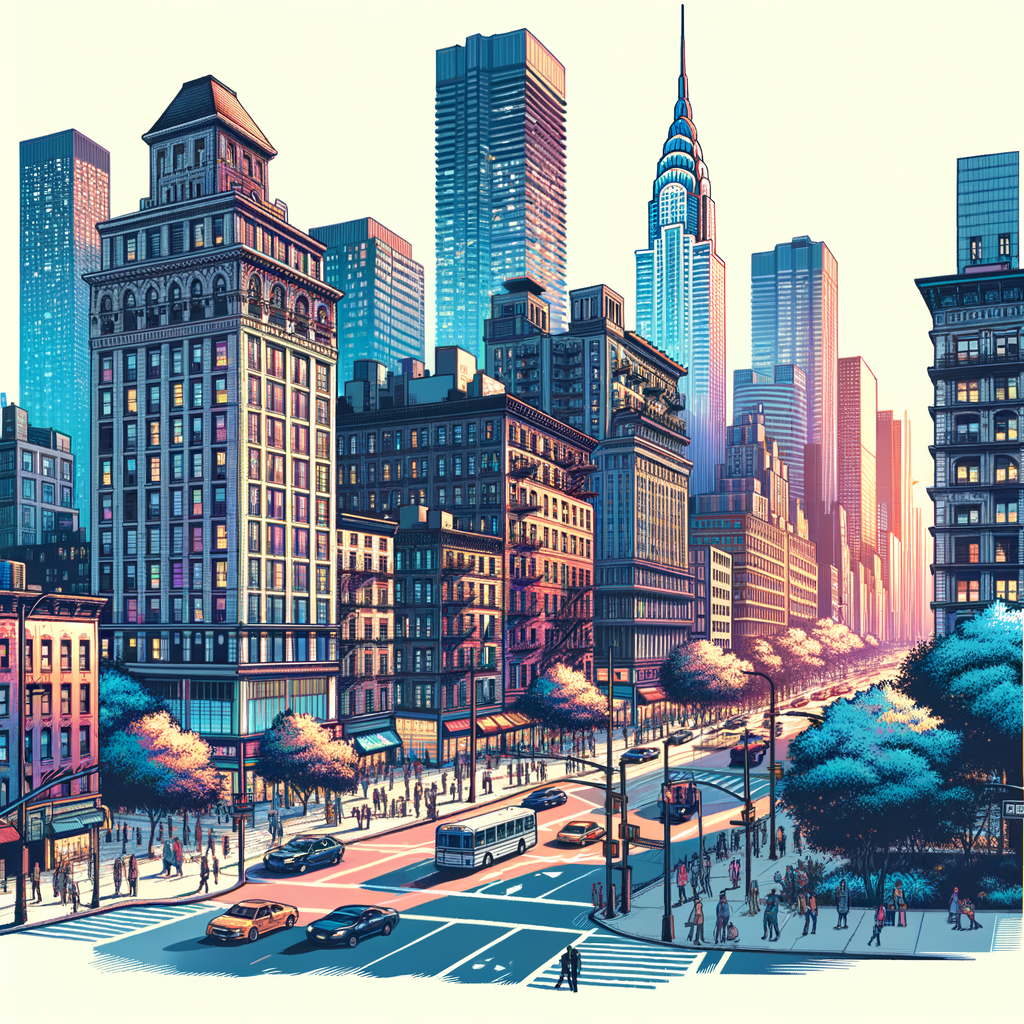
Urban renewal projects have significantly influenced the landscape and social fabric of cities worldwide during the 20th century. These initiatives, often characterized by large-scale redevelopment and modernization efforts, were initially aimed at addressing urban decay, segregation, and improving housing conditions. Over time, they have evolved to include a broader array of objectives, encompassing economic revitalization, cultural preservation, and sustainable urban planning. The profound impact of these projects on urban centers cannot be overstated, as they have helped reshape cities into vibrant, resilient, and more equitable places to live. This article explores the history, implementation strategies, successes, and controversies surrounding some of the most notable urban renewal projects of the 20th century.
Urban renewal efforts in the 20th century initially emerged in response to the challenges posed by rapid industrialization and urbanization during the late 19th and early 20th centuries. Crowded and unsanitary conditions in burgeoning urban centers underscored the need for comprehensive urban planning and development. In many cases, these projects sought to address the decline of city centers, stimulate economic growth, and combat rising crime rates. As urban planners became more sophisticated, their approaches advanced from rudimentary clearance initiatives to more inclusive plans involving community input and focusing on enhancing quality of life for urban residents. Understanding the history and dynamics of urban renewal in the 20th century sheds light on how these transformations have contributed to the growth and sustainability of modern urban environments.
Historical Context and Emergence of Urban Renewal
The genesis of urban renewal is rooted in the rapid industrial growth witnessed in Western nations during the latter half of the 19th century. Cities attracted large numbers of people seeking employment in factories, which resulted in overcrowding, unsanitary housing, and infrastructure strains. Urban decay became a significant problem, amplifying the necessity for systematic interventions. The City Beautiful movement in the United States exemplified early attempts at urban renewal, promoting beauty and monumental grandeur as solutions to social problems. These early efforts highlighted the growing awareness that cities needed careful planning to mitigate the effects of industrialization and population growth.
In the early 20th century, urban renewal started taking shape as municipal and national governments began considering ways to improve cities’ livability and functionality. European cities like Paris and Vienna undertook grand renovation projects, characterized by wide boulevards and public spaces aiming at not only beautifying the urban landscape but also facilitating healthier living conditions. The model of comprehensive city planning spread internationally, influencing urban revitalization efforts across the globe.
Key Urban Renewal Movements and Projects
Throughout the 20th century, various urban renewal movements and projects left their mark on cities. Among them, the progressive housing reforms in the United Kingdom during the 1920s aimed to eliminate slums and bolster living conditions for low-income families. The Garden City movement championed by Ebenezer Howard in England inspired urban planning initiatives promoting self-contained communities surrounded by green belts, which played a pivotal role in developing suburban zoning practices.
During the post-World War II era, reconstruction became a central theme in urban renewal as European cities emerged from the devastation of war. Projects like the rebuilding of Hamburg and the creation of new towns on the periphery of London demonstrated the importance placed on sustainable urban growth. Simultaneously, American cities embarked on federally-funded urban renewal projects through the Housing Act of 1949, which sought to eradicate blight and replace it with public housing and infrastructure improvements.
Famous Urban Renewal Initiatives
Among the most famous urban renewal initiatives of the 20th century was the transformation of New York City under the guidance of Robert Moses. Moses’ projects in the mid-century fundamentally altered the cityscape with new expressways, bridges, and parks. While his approach faced criticism for displacing communities and prioritizing automobiles over human-centric urban planning, his impact on shaping modern New York City is undeniable.
Another notable project was the revitalization of Philadelphia’s Society Hill during the 1950s and 60s. The area’s transition from a declining neighborhood to one of historic charm and affluence showcased the potential of integrating preservation with urban renewal. Such projects illustrated the shifting perspectives towards valuing historic architecture and neighborhood character in renewal strategies.
Urban Renewal and Economic Implications
Economic revitalization was a core objective in numerous 20th-century urban renewal initiatives. Many projects aimed to rejuvenate central business districts and stimulate economic growth by attracting investments, businesses, and consumers. The redevelopment of San Francisco’s Embarcadero Center and the Pittsburgh Renaissance are examples of successful efforts where urban renewal facilitated economic opportunities by improving infrastructure and enhancing urban environments.
Furthermore, the role of public-private partnerships became increasingly prominent in urban renewal strategies. The cooperation between governments and private developers facilitated complex projects, bringing much-needed capital and expertise to the table. These collaborations enabled cities to undertake substantial redevelopment efforts, although they also necessitated careful oversight to balance profit motives with public interests.
Social and Cultural Impact
Urban renewal had significant social and cultural ramifications, with projects promoting community well-being and cultural vibrancy. In cities such as Bilbao, the Guggenheim Museum became a symbol of cultural regeneration, transforming the city into a major tourist destination and influencing similar projects worldwide. Efforts in cultural preservation also highlighted a growing appreciation for maintaining historical and architectural heritage within renewal proposals.
However, urban renewal frequently sparked controversy due to its role in displacement and gentrification. Often, low-income communities bore the brunt of redevelopment efforts, leading to social upheaval and loss of affordable housing. The inner-city redevelopment programs of the 1960s and 70s in the United States exemplify these challenges, as policies sometimes disregarded the needs of vulnerable populations, exacerbating segregation and inequality.
Sustainability and Future Directions
As awareness of environmental issues heightened towards the end of the 20th century, sustainable development became an increasingly vital aspect of urban renewal. Projects began to incorporate green building practices and innovative technologies aimed at reducing environmental impacts. The development of eco-cities and districts, like Hammarby Sjöstad in Stockholm, underscored the potential for urban regeneration to contribute to wider sustainability goals.
Looking ahead, urban renewal will likely emphasize resilience in the face of climate change and demographic shifts. Modern urban planning must address challenges such as rising sea levels, increased energy consumption, and ensuring equity in access to urban amenities. The integration of smart technologies and citizen engagement in planning processes will play a crucial role in shaping the cities of tomorrow.
Conclusion
Urban renewal projects of the 20th century have been instrumental in reshaping urban landscapes, addressing urban decay, and fostering economic, social, and cultural development. The multifaceted nature of these initiatives demonstrates how urban planners and policymakers have continually adapted their approaches to meet evolving contextual challenges. As cities around the world continue to grow and transform, lessons from past urban renewal efforts offer invaluable insights into the potential benefits and pitfalls of large-scale redevelopment.
While urban renewal has positively impacted many cities, fostering economic growth and cultural vibrancy, it has also highlighted the importance of ensuring inclusivity and fairness within planning frameworks. The controversies surrounding displacement and gentrification underscore the need for policies that consider social equity and community involvement. Equally, embracing sustainable practices in urban renewal can guide cities towards environmentally resilient futures, preparing them to face the challenges of the 21st century.
In sum, the urban renewal projects of the 20th century offer a rich legacy of achievements and cautionary tales. As we aspire to design cities of tomorrow, understanding this historical context empowers us to make more informed decisions, building upon successes while striving to rectify past oversights.
Frequently Asked Questions
1. What were the main goals of urban renewal projects in the 20th century?
During the 20th century, urban renewal projects primarily aimed to tackle urban decay, which had become a pressing issue as cities expanded rapidly. These projects sought to replace deteriorated and unsafe structures with modern buildings while alleviating the effects of segregated neighborhoods. Improving housing conditions was a central focus, providing residents with better living standards and infrastructure such as access to utilities and public services. Over time, the objectives expanded to include economic revitalization, intending to breathe new life into stagnant areas by attracting businesses and enhancing job opportunities. Urban renewal also began to emphasize cultural preservation, ensuring that redevelopment efforts did not erase the unique history and identity of neighborhoods. Sustainable urban planning emerged as a crucial component as awareness of environmental impacts grew, influencing projects to incorporate green spaces and encourage eco-friendly practices.
2. How did urban renewal projects impact the social fabric of cities?
The social impacts of urban renewal have been significant and multifaceted. On one hand, these projects often improved living conditions and brought essential infrastructure to underserved communities, potentially leading to increased access to opportunities and a higher quality of life. However, urban renewal also faced criticism for contributing to displacement and gentrification. Many original residents, particularly low-income and marginalized groups, were forced to relocate due to rising living costs and new developments. This displacement disrupted community networks and sometimes led to a loss of identity for neighborhoods. Additionally, the focus on modernization at times overlooked the importance of preserving local culture and community ties, further impacting the social cohesion and character of urban areas.
3. Can you give examples of notable urban renewal projects from the 20th century?
Several urban renewal projects stand out as defining efforts in the 20th century. In the United States, the development of Lincoln Center in New York City during the 1950s and 1960s aimed to establish a cultural hub, replacing what was deemed a dilapidated area. However, it also involved the contentious displacement of a low-income neighborhood, sparking debates about the social costs of urban renewal. In the United Kingdom, the post-war redevelopment of Coventry exemplifies efforts to rebuild cities ravaged by bombing, emphasizing modernist principles and improved infrastructure. Another example is the regeneration of Clichy-sous-Bois in France, where efforts included improving housing, public services, and socio-economic conditions to transform a suburban area characterized by social issues. These projects reflect varied approaches and outcomes of urban renewal across different contexts.
4. How did the concept of urban renewal evolve over the 20th century?
The concept of urban renewal has undergone a substantial transformation throughout the 20th century. Initially, it was heavily focused on physical redevelopment—demolishing old structures to make way for new construction was a common approach. However, as urban challenges grew more complex, the focus broadened. During the mid-20th century, economic revitalization became a critical aspect, with projects starting to integrate strategies for attracting investments and promoting local economies. By the late 20th century, there was a marked shift towards more holistic and inclusive planning. This included public consultation processes, a stronger emphasis on environmental sustainability, and efforts to balance redevelopment with cultural preservation. These evolutions reflect a growing recognition of the need for urban renewal initiatives to consider social, economic, and environmental dimensions comprehensively.
5. What were some of the challenges faced by urban renewal projects in the 20th century?
Urban renewal projects in the 20th century encountered numerous challenges that shaped their implementation and legacy. One major issue was balancing modernization with preservation, as some projects faced criticism for erasing historic sites and cultural landmarks. Displacement emerged as a significant challenge, with many initiatives leading to the relocation of residents and altering community dynamics, often without providing adequate support or alternatives for those affected. Funding and resource allocation also proved problematic, as large-scale projects required substantial investment, which could strain municipal budgets or lead to reliance on private developers, influencing project priorities. Additionally, urban renewal often encountered resistance from local communities, rooted in concerns over the loss of social ties and identity, as well as skepticism about the promised benefits versus actual outcomes. These challenges underscore the complexities inherent in reshaping urban environments.