
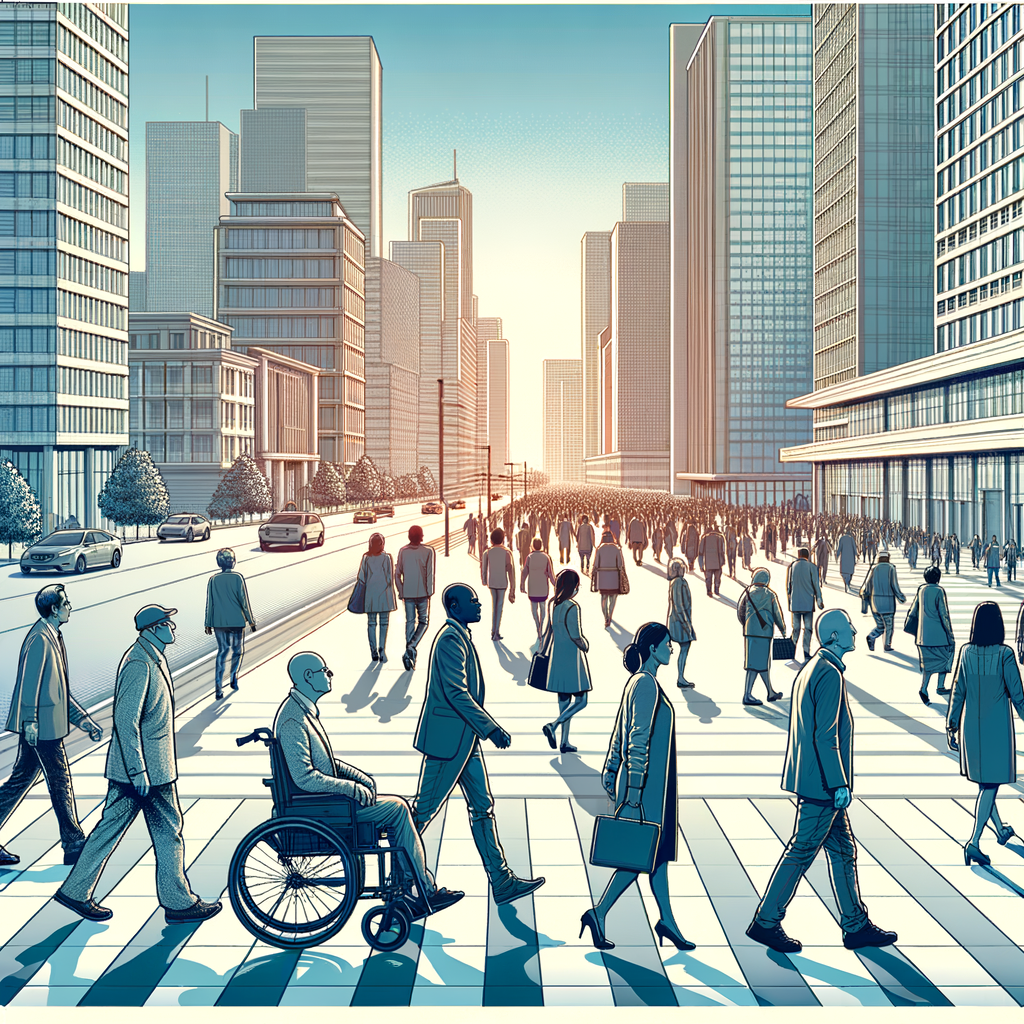
Urban infrastructure plays a crucial role in shaping the way cities function, thrive, and transform over time. Among the many components of urban infrastructure, walkability is increasingly becoming a focal point for urban planners and city officials. Cities are now recognizing the manifold benefits of creating walkable environments, which not only enhance the quality of life for residents but also bolster the urban economy, reduce environmental impact, and improve public health. In this article, we will delve deep into how urban infrastructure interlaces with walkability, exploring the benefits, challenges, and emerging trends. This exploration is timely, given the rapid rate of urbanization worldwide, which demands cities evolve into more sustainable and livable spaces. For many, the idea of walkability is simply about having sidewalks or pedestrian paths, but it encompasses much more than that. Successful walkable cities integrate transportation networks, zoning policies, green spaces, and much more, creating holistic urban ecosystems that encourage walking as a primary mode of transportation.
Factors Influencing Urban Walkability
Understanding the factors that influence walkability in urban settings requires a multi-faceted approach. Walkability is inherently linked to land use, density, street design, and connectivity. For starters, mixed land use is pivotal because it combines residential, commercial, and recreational spaces in close proximity, which increases the likelihood of walking. A varied, densely packed urban landscape where schools, stores, parks, and workplaces coexist encourages residents to navigate the city on foot rather than relying on automobiles.
Street design and connectivity are also crucial to ensuring a city’s walkability. This encompasses the presence of sidewalks, crosswalks, footbridges, and adequate lighting. Streets designed for pedestrians rather than solely for cars ensure that sidewalks are wide, intersections are safe, and pedestrian crossings are frequent and visible. Connectivity ensures these pedestrian pathways are logical and easy to navigate, forming a comprehensive network that facilitates not only efficiency but also safety.
Furthermore, urban green spaces such as parks and tree-lined streets contribute significantly to a city’s walkability. Not only do these spaces provide aesthetic value, but they also encourage walking by offering scenic, shaded routes that are enjoyable and invigorating. Public investment in parks and recreational areas can amplify walkability and enhance community engagement as residents are encouraged to spend more time walking to and within these spaces.
The Economic and Environmental Impact of Walkable Urban Infrastructure
Investments in walkable urban infrastructure offer tremendous economic and environmental benefits. Economically, walkable cities tend to have higher property values, a proliferation of businesses, and increased consumer activity. Streets that are conducive to foot traffic often see more local business patronage because pedestrians are more likely to explore shops and restaurants without the constraints of parking logistics. Walkability fosters a thriving local economy by keeping commerce accessible and convenient.
Environmental impact plays just as significant a role. Reducing reliance on personal vehicles results in lower emissions, contributing to better air quality and reducing a city’s carbon footprint. By integrating efficient public transportation systems and encouraging walking, cities can drastically cut down on vehicular traffic, congestion, and pollution. This ecological transition is fundamental in the context of contemporary climate goals and sustainable urban development.
Moreover, a walkable city fosters a reduction in resource consumption. Infrastructure designed with this focus utilizes less space for roads and parking, leaving more room for parks, green belts, and biodiversity conservation. Urban layouts that prioritize walking improve the sustainability of cities by preserving both land and resources for future generations.
Health Benefits of Walkability
Encouraging walking through improved urban infrastructure has substantial public health implications. Regular walking is associated with numerous health benefits, including reduced risks of obesity, cardiovascular disease, and depression. Cities that prioritize walkability promote active lifestyles among their residents, ultimately decreasing healthcare costs and improving overall community well-being.
Moreover, walkable environments facilitate social interaction and community engagement. By creating a cityscape where walking is paired with public parks, plazas, and social spaces, cities can enhance community cohesion and social networks. This kind of social structure can decrease feelings of isolation and stress, contributing positively to mental health.
Accessibility is another critical aspect, especially for individuals with disabilities. A walk-friendly environment ensures that city facilities are accessible to all, including individuals who may rely on walking aids or those with limited mobility. Tactile pavements, curb ramps, and appropriate signage must all be considered in infrastructure planning to support the inclusivity of the urban environment.
Challenges in Implementing Walkable Infrastructure
Despite the benefits, implementing walkable infrastructure faces several barriers. Funding is a significant obstacle; transforming a car-centric city into a pedestrian-friendly one requires substantial investment in redesigning streets and public spaces. Securing these funds often requires both public and private partnerships, alongside political will and citizen support.
Resistance from local businesses and residents can also impede changes to urban infrastructure. Businesses may fear disruptions caused by construction or reduced car traffic, mistakenly believing foot traffic will not suffice. Likewise, residents may resist changes due to inconvenience or concerns over increased density or commercialization of their neighborhoods.
Additionally, regulatory and zoning constraints can hamper the implementation of walkability projects. Outdated zoning laws favoring single-use developments over mixed-use can slow down or even halt progress. Policymakers need to engage in long-term planning and community negotiation to navigate these challenges effectively.
Emerging Trends and Innovations in Urban Walkability
The field of urban walkability is rapidly evolving, with innovative ideas being piloted and implemented across the globe. Concepts such as “complete streets” ensure that transportation planning considers pedestrians, cyclists, and public transit users alongside drivers. These designs incorporate bike lanes, wider sidewalks, dedicated bus lanes, and aesthetically pleasing streetscapes.
Technology also plays an increasing role in enhancing walkability. Smart city technologies can improve wayfinding through real-time navigational aids and apps that provide data on walking times, safety, and points of interest. Digital platforms facilitate urban planning by leveraging data analytics to optimize pedestrian traffic flow and accessibility.
Moreover, pedestrianization projects, which convert vehicular streets into pedestrian-only zones, are gaining popularity. Cities like Oslo, Madrid, and New York are leading by example, gradually increasing pedestrian zones to showcase the benefits of car-free environments. These initiatives help reduce noise and air pollution while creating vibrant, dynamic urban centers.
Case Studies of Successful Walkable Cities
Exploring successful examples highlights how cities can transform into walkable urban centers. Copenhagen is a pioneer, long revered for its pedestrian-first approach. The city center prioritizes foot traffic, with interconnected pathways and limited vehicle access, creating a model for sustainable urban living.
In the United States, Portland, Oregon, stands out for its emphasis on mixed-use zoning and integrated transportation networks. Investment in sidewalks, bike lanes, and public transit alternatives has made Portland a leader in dense, walkable urban development.
Singapore also serves as a robust example, where meticulous urban planning ensures connectivity between residential, commercial, and recreational spaces. Emphasizing transit-oriented development, Singapore has succeeded in reducing traffic congestion and promoting a pedestrian-centric city design.
Conclusion
The journey toward enhancing urban walkability involves a comprehensive reevaluation of existing urban infrastructures. As evidenced, walkability extends beyond the mere presence of pedestrian paths; it requires integrating various components, including policy, technology, and community engagement. Investing in walkable environments yields substantial long-term economic, environmental, and health benefits, ultimately leading to more resilient and adaptive cities.
While challenges persist, innovative strategies and successful case studies provide valuable insights into achieving more walkable cities. By embracing change and fostering collaboration among stakeholders, cities can transform into vibrant, sustainable environments where walking is not only facilitated but deeply ingrained in urban culture.
The global trend toward urbanization underscores the pressing need to design cities that prioritize pedestrian-friendly spaces, ensuring prosperity for current and future generations. Now, more than ever, the opportunity and responsibility lie with city planners, policymakers, and citizens to redefine urban landscapes, creating thoughtfully designed ecosystems that celebrate and encourage walking as a fundamental aspect of urban life.
Frequently Asked Questions
1. What is urban infrastructure and why is it important in city planning?
Urban infrastructure refers to the essential physical systems and structures required for a city to function efficiently. This includes roads, bridges, utilities, public transit systems, and other facilities that support the community's daily activities. In city planning, infrastructure is paramount as it sets the foundation on which the urban environment is built. It has far-reaching impacts, influencing how people live, work, and play within the city. Adequate infrastructure supports economic growth, ensures sustainable development, promotes accessibility, and enhances the quality of life for residents. Urban infrastructure that prioritizes walkability plays a significant role in creating healthier, more livable cities by promoting active transportation and decreasing reliance on personal vehicles, thus helping reduce traffic congestion and pollution.
2. What are the key components of a walkable city?
A walkable city is designed in a way that prioritizes pedestrian access and comfort, making walking not only possible but also enjoyable. Key components include well-maintained sidewalks, crosswalks with safety features, adequate lighting, and streetscapes with green spaces. Street connectivity is another critical aspect, with a well-connected grid of streets allowing for shorter and more direct walking routes. Mixed-use development also plays a role by ensuring a variety of destinations, such as residential, commercial, and recreational areas, are accessible within walking distance. Walkability is further enhanced through pedestrian-friendly amenities like benches, public art, and informative signages. Together, these elements encourage walking by making it safe, convenient, and visually appealing, contributing to a more vibrant and active urban environment.
3. How does walkability benefit the urban economy?
Walkability greatly bolsters the urban economy by attracting more foot traffic, which, in turn, benefits local businesses. When cities are pedestrian-friendly, they tend to attract more customers to nearby shops, cafes, and restaurants, therefore enhancing retail sales. Walkable areas often see higher property values and increased investment in commercial properties. Moreover, walkable environments attract a young, tech-savvy workforce that values the convenience and lifestyle benefits of living in a walkable city, encouraging business growth and innovation. Additionally, less dependency on vehicles can lead to reduced infrastructure costs related to road maintenance and parking. Overall, walkability creates a dynamic economy by nurturing vibrant social interactions and cultural life, which are attractive to both residents and visitors alike.
4. How does improving walkability impact public health?
Improving walkability has a profound positive impact on public health. Encouraging walking as a primary mode of transport stimulates physical activity, which is a key factor in preventing and managing chronic health conditions such as obesity, cardiovascular diseases, and diabetes. Walkable environments promote greater social interaction and contribute to mental well-being by reducing stress and anxiety. Furthermore, increased pedestrian activity can lead to less vehicular traffic, which means lower air pollution levels—a direct benefit to respiratory health. Cities that prioritize walkability foster safer pedestrian environments, minimizing accident risks and injuries, thereby enhancing overall community safety. By advocating for walkable spaces, urban planners not only improve individual health outcomes but also work towards developing a healthier society as a whole.
5. What steps can cities take to improve walkability?
To improve walkability, cities can implement a range of strategies that require collaborative efforts across different sectors. One essential step is improving pedestrian infrastructure, such as widening sidewalks, installing curb ramps, and ensuring even surfaces for better accessibility. Cities should invest in safe crossing facilities, like pedestrian refuges and countdown timers at intersections, to provide safe paths for walkers. Promoting mixed-use development is crucial to bring essential services and amenities closer to residential areas, making them easily accessible by foot. Building green spaces and parks within walking distance invites recreational walking and enhances the appeal of an area. Governments can implement policies to reduce vehicle speeds in pedestrian-rich areas and promote car-free zones. Public engagement is vital, encouraging community input and active involvement in designing walkable neighborhoods. By prioritizing these initiatives, cities can transform into more walkable, vibrant, and inclusive urban landscapes.