
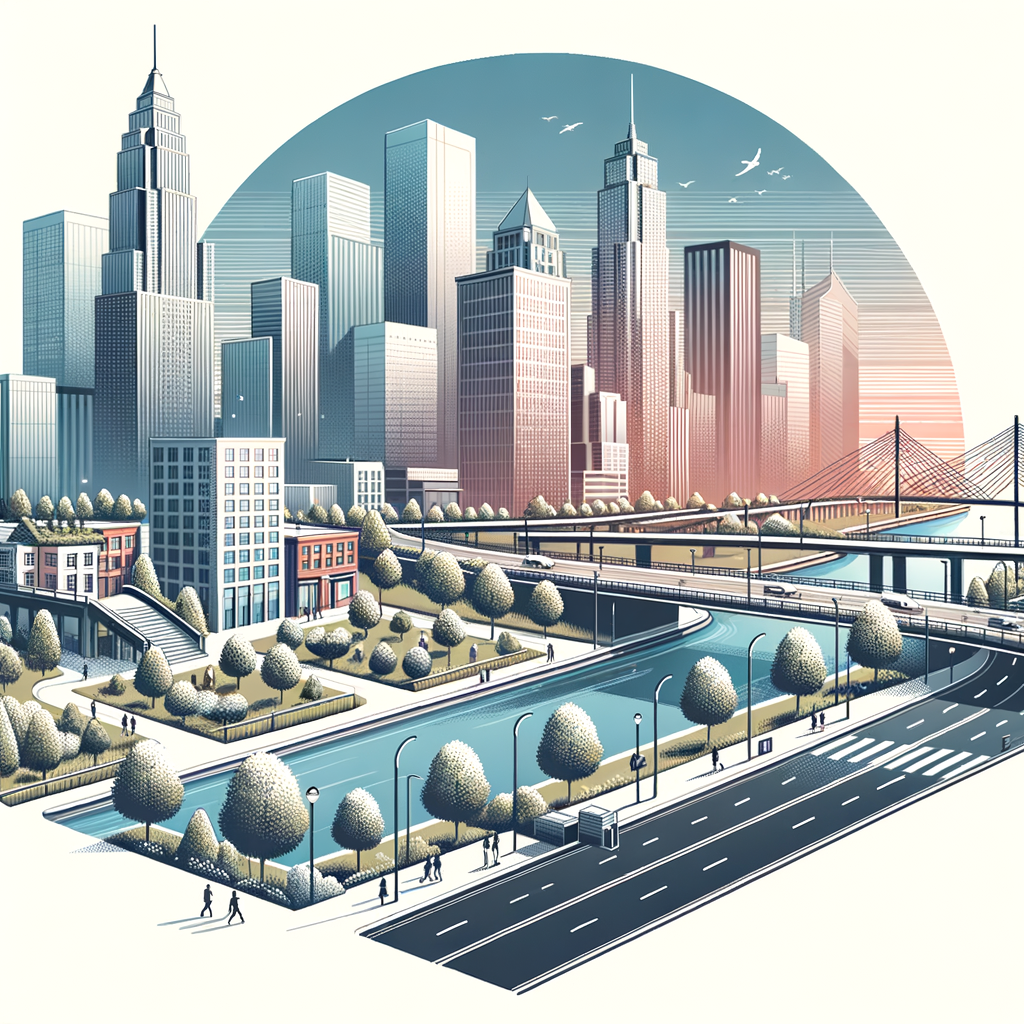
The concept of urban infrastructure extends far beyond the mere presence of roads, bridges, and utilities. It serves as the backbone of cities, influencing every facet of daily life. Urban infrastructure is instrumental in shaping the physical space we inhabit and is intricately linked to the notion of placemaking. Placemaking is the art and science of creating public spaces that evoke a sense of community, ownership, and belonging. These spaces, when thoughtfully designed, can transform barren landscapes into vibrant neighborhoods and contribute significantly to the quality of urban life. In the contemporary urban landscape, there is a resurgence in the importance of both infrastructure and placemaking, as cities grapple with the challenges of population growth, environmental sustainability, and the need for inclusive spaces that cater to a diverse populace. This article explores the symbiotic relationship between urban infrastructure and placemaking, examining how they collectively shape the environments in which we live, work, and play.
Urban planners and policymakers recognize that infrastructure is not merely about functionality but also about creating environments that are engaging and humane. Infrastructure elements such as transportation networks, green spaces, and utilities are crucial in ensuring the smooth operation of urban ecosystems. However, when integrated with the principles of placemaking, these elements can enhance the social and cultural fabric of a city. This is particularly significant in the current era, where urban areas are expanding rapidly and are home to a large portion of the global population. Cities must address the rising demand for resources and services while simultaneously fostering environments that encourage social interaction, diversity, and cultural expression.
The intersection of urban infrastructure and placemaking requires innovative thinking, collaboration among various stakeholders, and a commitment to sustainable development. It demands that cities be built with considerations for inclusiveness, resilience, and creativity. With these elements in place, urban areas can transform into places that not only meet the practical needs of their inhabitants but also enrich their lives socially, culturally, and environmentally. Through this lens, the significance of examining urban infrastructure and placemaking becomes clear, highlighting their pivotal role in molding the future of urban living.
The Role of Urban Infrastructure in Modern Cities
Urban infrastructure encompasses a wide range of elements that are essential for the daily functioning of cities. This includes transportation systems such as roads, railways, and public transit networks; utilities like water supply, sewage, and electricity; and public services such as healthcare and education facilities. These components are crucial for supporting the lives of urban residents and ensuring that cities can operate efficiently. Without adequate infrastructure, cities face significant challenges in accommodating population growth and economic development.
Transportation infrastructure, for instance, is a fundamental aspect of urban planning. Efficient transit systems reduce congestion, improve air quality, and provide accessibility to jobs, education, and services. A well-connected city allows its residents to move seamlessly, promoting economic activity and facilitating social interactions. The integration of public transportation with pedestrian-friendly pathways and cycling routes is central to creating an inclusive urban environment.
Similarly, the provision of utilities and public services is a critical component of urban infrastructure. Access to clean water, reliable electricity, and modern communication technologies is foundational for quality of life. The infrastructure that supports these services must be designed and maintained to adapt to changing demands, especially in light of challenges such as climate change and resource scarcity. The resilience of infrastructure in the face of natural disasters and other disruptions is also an essential consideration for urban planners.
Placemaking: Transforming Spaces into Places
Placemaking is a multi-faceted approach to the planning, design, and management of public spaces. It emphasizes the creation of spaces that are fundamentally human-centric, fostering community connections and enhancing the quality of life for residents. Unlike traditional urban planning that often prioritizes efficiency and utility, placemaking places a premium on creativity, cultural identity, and social interaction.
Effective placemaking requires the involvement of various stakeholders, including local communities, artists, architects, and policymakers. It encourages collaborative and participatory processes that give voice to the needs and aspirations of urban dwellers. When done successfully, placemaking leads to spaces that people love and cherish, contributing to a sense of belonging and community pride.
The transformation of a park, for example, from a simple green space into a vibrant community hub illustrates the power of placemaking. By incorporating diverse amenities, art installations, and programming that reflects the local culture, urban parks become destinations where people congregate for recreation, relaxation, and socializing. Such spaces help bridge social divides, promote inclusivity, and foster a spirit of creativity and innovation.
Integrating Infrastructure and Placemaking
The intersection of urban infrastructure and placemaking is where the most significant opportunities for enhancing urban life often arise. This integration involves rethinking the design and implementation of infrastructure projects to ensure that they contribute positively to the social and cultural life of a city. Instead of viewing infrastructure as isolated functions, the focus shifts towards creating a seamless urban experience.
One example of this synergy is the development of transit-oriented developments (TODs). TODs are urban areas designed to maximize access to public transportation, encouraging sustainable mobility patterns while fostering vibrant communities. These developments combine residential, commercial, and recreational spaces in close proximity to transit hubs. They often feature pedestrian-friendly environments and public spaces designed to cultivate a sense of place.
Another interesting illustration is the concept of multi-use infrastructure, where traditional infrastructure components serve multiple purposes. For instance, a bridge may double as a public space where events are held, or a water management system could be integrated with urban green spaces to create ecological and recreational benefits. Such approaches highlight how infrastructure can transcend its utilitarian roots and become an integral part of the city’s social fabric.
Challenges and Opportunities
The implementation of infrastructure projects with a focus on placemaking presents both challenges and opportunities. One of the primary challenges is the need for cross-sector collaboration, where various stakeholders with differing priorities must work together. This requires new governance models and decision-making frameworks that are inclusive and responsive to community needs.
Moreover, financing and budgeting for projects that emphasize placemaking can be complex, as the benefits are often indirect and long-term. However, the economic value generated by vibrant public spaces, through increased foot traffic, tourism, and property values, often outweigh the initial investment.
On the opportunity side, technology plays a pivotal role in advancing the integration of infrastructure and placemaking. Smart city technologies, for instance, offer solutions for urban planning that are data-driven and adaptive to real-time conditions. These technologies facilitate efficient resource management, enhance sustainability, and improve residents’ quality of life.
Furthermore, the evolving focus on sustainability presents significant opportunities for integrating infrastructure and placemaking. Green infrastructure, such as urban gardens, green roofs, and permeable pavements, provides ecological benefits while simultaneously creating visually appealing urban environments.
Sustainability and Resilience in Urban Design
Sustainability is increasingly at the forefront of discussions on urban infrastructure and placemaking. As cities grow, the demand for resources intensifies, making sustainable practices essential to urban development. Sustainable infrastructure prioritizes the use of renewable resources, minimizes waste, and reduces the carbon footprint of urban areas.
Resilience is also vital, especially in the context of climate change and urban vulnerabilities such as flooding, heatwaves, and pollution. Resilient infrastructure is designed to withstand and adapt to environmental stresses, ensuring continuity of essential services and protecting urban populations.
Urban planners are incorporating innovative design strategies that marry sustainability and resilience with placemaking principles. For example, the greening of urban areas not only improves air quality and provides resilience against heatwaves but also creates pleasant environments for recreation and social gatherings. Such designs make cities more livable while safeguarding them against future challenges.
The importance of eco-conscious mobility cannot be overstated, as cities strive to reduce reliance on individual car use. Bicycle lanes, pedestrian pathways, and electric vehicle infrastructure promote sustainable transport options, reducing carbon emissions and fostering healthier urban lifestyles. This not only addresses environmental concerns but also contributes to dynamic, interconnected urban spaces where people can move fluidly and freely.
Conclusion
The relationship between urban infrastructure and placemaking is a foundational element of contemporary urban development. By reimagining infrastructure not just as fundamental utilities but as integral components of community life, cities can foster environments that are vibrant, inclusive, and sustainable. Placemaking injects life into the structural skeleton of urban areas, turning them into spaces where people feel connected and engaged. It emphasizes the transformative power of design and creativity in shaping urban experiences and addresses the social, cultural, and environmental needs of diverse urban communities.
The synergy between infrastructure and placemaking is not without its challenges, particularly in terms of collaboration, financing, and implementation. Nevertheless, the potential benefits are considerable. As cities continue to evolve, the integration of infrastructure with placemaking principles offers a path towards sustainable urban futures that prioritize human well-being, environmental stewardship, and resilient growth.
Ultimately, the holistic approach combining infrastructure and placemaking allows us to conceptualize urban environments not only as places for living and working but also as spaces for inspiration, creativity, and community-building. This paradigm shift in urban design and planning is crucial for addressing the complexities of urbanization and crafting cities that are not only efficient and functional but also enriching and fulfilling places to live.
Frequently Asked Questions
1. What is urban infrastructure and how does it influence our daily lives?
Urban infrastructure is like the vital organ system of a city - it includes all the essential services and facilities that allow our urban environments to function efficiently and smoothly. This includes roads, bridges, water supply, electricity, telecommunications, waste management, and more. Each element plays a crucial role, much like how air circulation and blood flow are critical for the body. Our daily activities, from commuting to work, accessing the internet, using clean running water, or even switching on a light bulb, heavily depend on the infrastructural backbone of our cities.
A well-maintained and thoughtfully designed urban infrastructure boosts economic activity, improves quality of life, and promotes social well-being. When these elements are functioning optimally, there's less traffic congestion, lower pollution levels, better accessibility, and higher safety standards. Conversely, poor infrastructure can lead to increased stress, inefficiencies, and a lower standard of living. Essentially, it's the foundation upon which thriving cities are built, allowing us to navigate our lives seamlessly while meeting the everyday needs of each community member.
2. How does placemaking contribute to urban infrastructure?
Placemaking is the creative soul of urban design. It's the art and science of crafting public spaces that foster a sense of community, ownership, and belonging. When we talk about placemaking in relation to urban infrastructure, we delve into designing spaces that not only serve practical functions but also enrich the social fabric of the community. For instance, a simple park can be transformed into a lively cultural hotspot through careful planning and community involvement.
The significance of placemaking lies in its ability to turn ordinary spaces into places of engagement and interaction. Through placemaking, placid sidewalks can become bustling pedestrian hubs with art installations or green parklets. Vacant lots might be reimagined as urban gardens or cultural centerpieces. Such transformations do more than beautify neighborhoods; they create safe, inviting environments that encourage lingering, interaction, and community connectivity. It's about harnessing the potential of urban infrastructure to not just meet the functional needs of a city, but to create vibrant, dynamic places that resonate with people.
3. Why is community involvement important in the placemaking process?
Community involvement is crucial in placemaking because it ensures that the spaces being developed truly reflect the needs and desires of those who use them. When communities are actively engaged in the design process, the projects are more likely to succeed, as they are tailored to know the local culture, history, and identity. This participation fosters a sense of ownership, pride, and responsibility among residents, encouraging them to steward and nurture these spaces beyond the initial development phase.
Moreover, community input can uncover nuanced insights and creative ideas that might otherwise be overlooked. Local perspectives highlight essential elements such as safety concerns, accessibility challenges, or favorite local spots that might not seem significant at first glance but are integral to the area's character. Through forums, workshops, and collaborative planning sessions, placemaking becomes a collective endeavor, transforming it from a top-down approach to a grassroots movement that unites planners, residents, and stakeholders in a shared vision. It ensures that urban spaces are not just parts of the city’s infrastructure but are reflective of the people who breathe life into them every day.
4. Can placemaking improve the economic viability of urban areas?
Absolutely! Placemaking can be a powerful economic revitalizer for urban areas. Transforming spaces into vibrant, attractive locations can significantly enhance the local economy through increased foot traffic, tourism, and business opportunities. When public spaces become destinations where people want to spend time, local businesses benefit from the increased patronage, fostering a thriving commercial environment.
The “multiplier effect” of placemaking means that when areas are made more appealing and functional, they naturally draw in more residents, visitors, and investors. As the area becomes more desirable, property values tend to rise, and demand for space from businesses can spur development and renovation. Moreover, a well-executed placemaking strategy can help diversify the local economy by supporting a range of activities and uses, from outdoor markets and festivals to cafés and artisanal crafts. By fostering a diverse economic environment, cities can build resilience and adaptability in changing economic climates.
5. What are some challenges faced in urban infrastructure and placemaking?
Urban infrastructure and placemaking face a variety of challenges, primarily due to issues related to funding, existing structural limitations, regulatory hurdles, and sometimes resistance to change. One of the most pressing challenges is securing adequate funding for maintenance and upgrades. With many urban centers facing budget constraints, prioritizing widespread infrastructure improvements can be difficult. Often, financial resources are limited, necessitating careful planning and prioritization to implement meaningful improvements.
Moreover, the pre-existing urban layout can limit what's possible in terms of modification and growth. Compact and densely populated cities might struggle to find space for new infrastructural developments or placemaking projects without significant investment in the reconfiguration of current land use. Regulatory and bureaucratic hurdles can further complicate project implementation, with lengthy approval processes potentially delaying progress.
Resistance to change also presents a challenge. Residents and stakeholders might be hesitant to alter historical or traditional features of a community or may have differing views on what changes are necessary. Successfully addressing these challenges requires extensive dialogue, negotiation, and sometimes compromise to reconcile diverse interests and perspectives. Despite these hurdles, creative and innovative placemaking can thrive when there is a strong commitment from all involved parties to realize a shared vision for the community.