
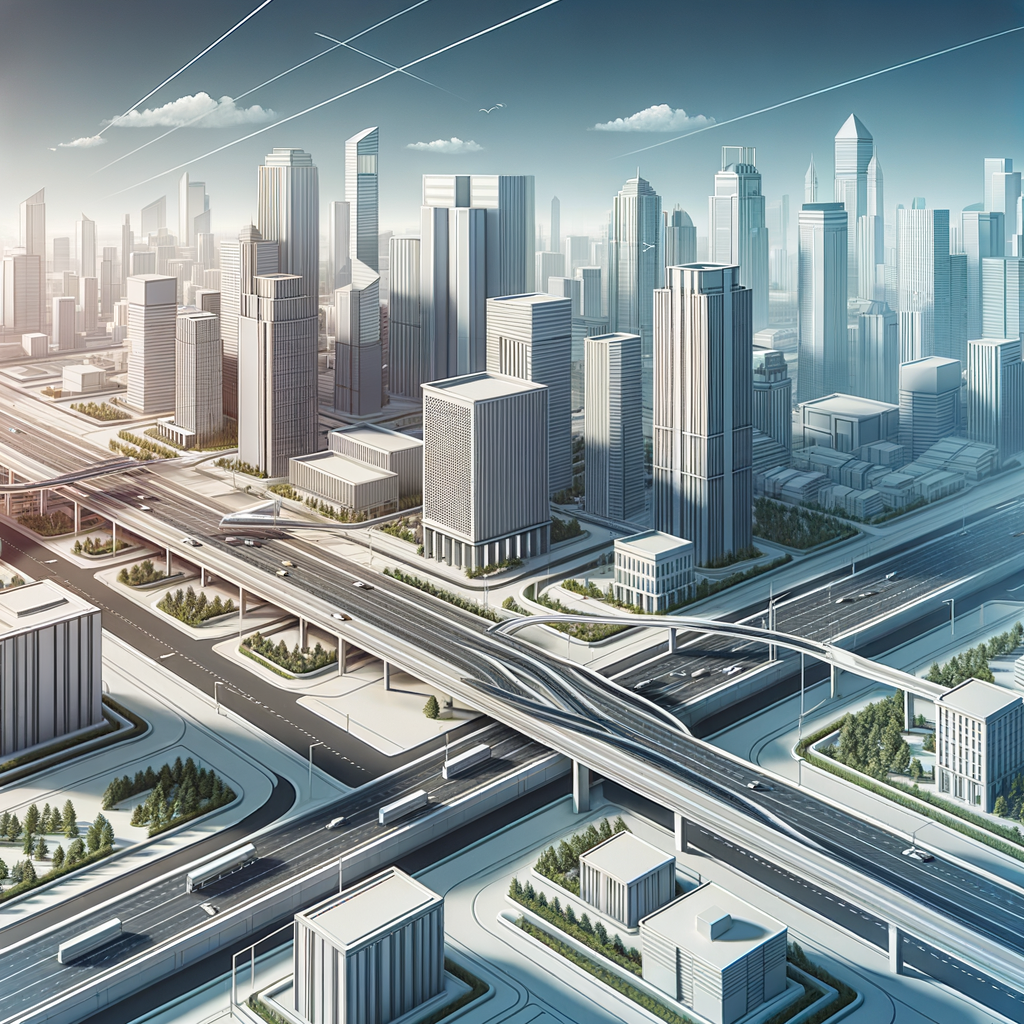
The ever-growing urban population has led to increased demands on infrastructure and revealed the critical need to address urban heat challenges. As cities expand and develop, the problems associated with urban heat become increasingly prevalent, particularly as they intersect with infrastructure systems. Urban infrastructure encompasses the physical framework of a city, including buildings, roads, bridges, water supply, and transportation systems. It forms the backbone upon which the modern urban lifestyle depends. However, this infrastructure contributes significantly to the Urban Heat Island (UHI) effect. This phenomenon results from the absorption and re-emission of the sun’s heat by urban surfaces, leading to increased temperatures in cities compared to surrounding rural areas.
The implications of UHI are wide-ranging: elevated temperatures, enhanced energy demand, compromised human health and comfort, and deteriorating air quality, among others. Consequently, implementing effective heat mitigation strategies is crucial to improving urban livability, ensuring the sustainability of urban infrastructure, and mitigating climate change impacts. This article explores the current state of urban infrastructure and examines various strategies to mitigate urban heat, highlighting why these measures are essential for cities seeking to thrive in the face of environmental challenges.
Urban Infrastructure Challenges
Urban infrastructure is the foundation upon which modern cities are built. It encompasses everything from transportation systems and energy supply networks to water distribution, communication systems, and waste management facilities. As urban areas continue to grow, the attendant infrastructure systems must expand and adapt. However, this expansion often exacerbates already existing issues, especially the phenomenon of urban heat.
One primary challenge with urban infrastructure is the heat retention properties of common materials. Asphalt, concrete, and steel, ubiquitous in cityscapes, absorb and retain heat effectively, leading to elevated temperatures. These materials reflect less solar energy, contributing significantly to the heat island effect. The vast expanse of impervious surfaces prevents natural cooling systems, such as vegetation, from playing their part. Without thoughtful planning and design, infrastructure development can exacerbate urban heat, causing temperatures to soar during heatwaves.
Moreover, these increased temperatures tremendously impact the infrastructure itself. Roads and bridges can buckle; power lines can suffer from the increased demand placed on air conditioning systems; and public transportation faces disruptions, all costing local governments millions in repairs and operational delays. Heat-triggered disruption compounds the stress already placed on city infrastructure, exacerbating existing efficiency issues and magnifying their impact on quality of life for urban residents.
Heat Mitigation Strategies
Addressing urban heat through infrastructure requires a multifaceted approach. One pivotal strategy involves the implementation of green roofs. These rooftop gardens work wonders in regulating building temperature due to their ability to absorb sunlight rather than reflecting it as heat. By promoting evapotranspiration, green roofs dissipate heat effectively, cooling the environment immediately surrounding the building. In addition to temperature regulation, they enhance pest control, improve air quality, increase biodiversity, and provide amenities for city dwellers. Not only do green roofs improve urban aesthetics, but they also contribute to energy savings by reducing the need for artificial cooling.
In addition to green roofs, cool roofs and cool pavements are crucial countermeasures against urban heat. Cool roofs consist of reflective materials that deflect more sunlight and absorb less heat than standard roofing materials. This simple modification can significantly reduce building temperatures and energy costs. Similarly, cool pavements can be made from reflective materials or substances that promote water permeability, facilitating evaporation and hence, cooling. These strategies not only alleviate UHI but simultaneously extend the lifespan of infrastructure by reducing thermal stress.
Enhancing urban greenery through extensive tree planting is another powerful heat mitigation strategy. Trees provide shade, which can lower surface and air temperatures by as much as thirty-five degrees Fahrenheit. They also facilitate evapotranspiration, where water absorbed by roots is returned to the air. Moreover, urban parks, green belts, and vertical gardens enliven an environment not just visually, but also thermally. Trees also help with noise reduction and improve air quality by trapping pollutants, enhancing overall urban resilience.
Furthermore, smart urban planning can integrate more open spaces while maintaining necessary infrastructure growth. Urban planning policies designed to include more open, vegetated areas contribute directly to the natural cooling of the environment. Strategic zoning decisions can facilitate better airflow within cities, helping disperse collected heat. Incorporating lakes, artificial water bodies, and fountains into urban plans actively contributes to the cooling effect due to the water’s high thermal inertia. Water elements harness the natural cooling potential of evaporation to keep their surroundings temperate.
Yet another potent measure is improved building design and orientation. By utilizing sustainable architecture principles, architects can significantly mitigate the thermal impact on infrastructure. Incorporating natural ventilation designs, renewable energy systems, and shading structures reduces dependency on energy-intensive climate control systems. Additionally, the orientation of buildings can be optimized to maximize shading and allow for natural breezeways, further easing urban heat accumulation.
Policy and Community Engagement
Policy intervention plays a crucial role in heat mitigation efforts. Governments at various levels need to develop comprehensive urban heat management policies encompassing guidelines for sustainable construction, incentives for green infrastructure, and regulations to minimize the environmental footprint of new buildings. Policymakers can promote adaptive reuse, which involves retrofitting existing buildings with energy-efficient technologies rather than constructing new structures, reducing resource consumption and heat output.
Community engagement forms another pillar of successful heat mitigation. Public awareness campaigns educate urban residents on the benefits of heat mitigation strategies, encouraging them to adopt small, individually actionable sustainability practices. Local communities can participate in tree planting programs or urban gardening initiatives. Citizen science projects can engage volunteers in tracking and responding to real-time temperature changes, forming an essential grassroots data mining exercise that informs larger policy decisions.
Moreover, education and public outreach initiatives can empower individuals with knowledge on practical steps to mitigate heat effects, such as the utilization of fans over air conditioning, proper shading techniques, and the significance of heat-stress treatment options. By fostering community involvement, cities create a culture of sustainability where residents actively participate in urban heat reduction, easing the strain on public services and infrastructure systems.
Technology and Innovation
Recent technological innovations are opening new avenues for heat mitigation strategies. For instance, the integration of Internet of Things (IoT) technology with infrastructure allows for the real-time monitoring and management of urban temperatures. Smart sensors distributed across cities can detect temperature fluctuations, contributing to dynamic urban climate models which precisely inform adaptation strategies.
Moreover, the development of more advanced materials replaces traditional infrastructure materials that exacerbate UHI. Researchers are exploring nano-materials with superior reflective properties or incorporating phase-change materials that absorb heat during peak periods and release it when temperatures fall, balancing fluctuations and reducing peak thermal load.
Innovation in renewable energy sources—such as solar panels, small-scale wind power installations, and geothermal systems—not only contributes to energy savings but lessens the heat burden on urban infrastructure. These decentralized systems decrease dependency on large energy production facilities known to heat urban areas.
Technological advances do more than reduce urban heat—they transform how cities function overall, embedding sustainability at the core. As cities continue to evolve into smart cities, they harness these technological advances for better resource management, ensuring urban developments are resilient to climate change impacts.
Conclusion
Urban infrastructure will always be a central feature of cities, yet its inevitable development requires a clear commitment to effective heat mitigation strategies to guard against the detrimental effects of urban heat. As urban areas expand, addressing these impacts becomes increasingly urgent. By adopting green rooftops, deploying cool pavements, integrating extensive urban greenery, and incorporating water bodies, cities can work toward substantial temperature reductions.
Through smart urban planning, adopting sustainable building practices, engaging community stakeholders, and facilitating innovative technology, cities can tackle urban heat challenges head-on. Policy frameworks that incentivize and regulate sustainable practices serve as foundational components in reducing excessive urban heat growth and mitigating its effects on infrastructure systems.
Ultimately, the path to mitigating urban heat is multi-dimensional and requires collaboration across industries, communities, and government sectors. It is critical to recognize sustainable heat management and urban infrastructure development not as separate issues but as intertwined challenges that must be addressed collectively. Only through cohesive, sustained efforts and adaptive practices can cities hope to retain their vibrancy while ensuring livability for future generations.
Frequently Asked Questions
1. What are the primary causes of urban heat and its impact on infrastructure?
The primary causes of urban heat, commonly referred to as the Urban Heat Island (UHI) effect, stem from human activities and the dense concentration of infrastructure in cities. In urban environments, natural landscapes are often replaced with buildings, roads, and other structures that absorb and retain heat. Materials like asphalt and concrete store heat during the day and release it during the night, leading to higher temperatures compared to rural areas. Additionally, waste heat from vehicles, industrial activities, and energy consumption significantly contributes to this warming effect.
The impact of urban heat on infrastructure can be extensive. High temperatures can lead to the deterioration of road surfaces, affecting transport efficiency and safety. Heat stress can also compromise the structural integrity of bridges, railways, and buildings, requiring more frequent maintenance and repairs, which can be costly. These challenges demand innovative design and material solutions to enhance resilience in the face of rising urban temperatures.
2. How can green infrastructure play a role in mitigating urban heat?
Green infrastructure refers to the strategically planned and managed networks of natural and semi-natural areas designed to deliver a wide range of ecosystem services. It plays a significant role in mitigating urban heat by acting as a cooling mechanism through shading, evapotranspiration, and the reflective properties of vegetation.
Parks, green roofs, green walls, and urban forests can help lower surface and air temperatures, providing cooler microclimates within urban areas. Trees and vegetation can provide shade that reduces ground and building surface temperatures, while the process of evapotranspiration – where plants release moisture – further assists in cooling the environment. Incorporating green infrastructure into urban planning not only reduces heat but also improves air quality, enhances biodiversity, and promotes healthier living conditions.
3. What are some technologies and materials used to reduce heat absorption in urban areas?
To combat urban heat, cities are turning to cutting-edge technologies and innovative materials designed to reduce heat absorption and enhance reflectivity. One such technology is the use of cool roofs and cool pavements. Cool roofs are made of highly reflective materials or coatings that reflect more sunlight and absorb less heat compared to traditional roofing materials. This can significantly lower roof temperatures and, consequently, reduce indoor temperatures and cooling energy demand.
Similarly, cool pavements incorporate materials that reflect more solar radiation and have increased water retention capabilities, thereby lowering surface temperatures. Permeable pavements, which allow water to filter through, assist in cooling by promoting evaporative cooling.
Another emerging technology is the use of phase change materials (PCMs) that absorb or release heat energy during phase transitions and can be integrated into building materials to manage indoor temperatures effectively.
4. How can urban planning be adapted to better address heat mitigation?
Urban planning plays a pivotal role in addressing heat mitigation, and adapting planning practices is crucial for creating resilient urban environments. To better mitigate heat, urban planning should prioritize the integration of mixed land use, increase green spaces, and improve shading through tree-lined streets and covered walkways.
Comprehensive planning that incorporates the placement of buildings, roads, and open spaces with consideration for wind flow can help enhance natural ventilation, dissipating heat effectively. The orientation of buildings to minimize exposure to peak sun, utilization of reflective surfaces, and increasing the albedo of urban surfaces are essential strategies.
In addition, zoning regulations can encourage or mandate the inclusion of green infrastructure and energy-efficient designs in new developments. Strategic planning for the transportation network, such as promoting public transit and reducing vehicle emissions, can also significantly contribute to reducing urban heat and its associated impacts.
5. What role do public policies play in urban heat mitigation strategies?
Public policies are instrumental in promoting and enforcing urban heat mitigation strategies in cities. Governments and local authorities can establish frameworks and regulations that foster sustainable development and ensure resilience against rising urban temperatures.
Policies may include setting performance benchmarks for energy efficiency in buildings, mandating the use of cool roofs, and creating incentives for developers to incorporate green and sustainable technologies. Environmental regulations can mandate the preservation and expansion of green spaces and the implementation of water-sensitive urban design to manage heat reduction and stormwater runoff.
Moreover, public awareness campaigns and community engagement initiatives driven by policy can educate citizens about the importance of individual actions, like planting trees and maximizing garden vegetation, as part of broader urban heat mitigation efforts. Effective public policy not only sets the stage for infrastructure adaptation but also empowers communities to contribute actively to these objectives.