
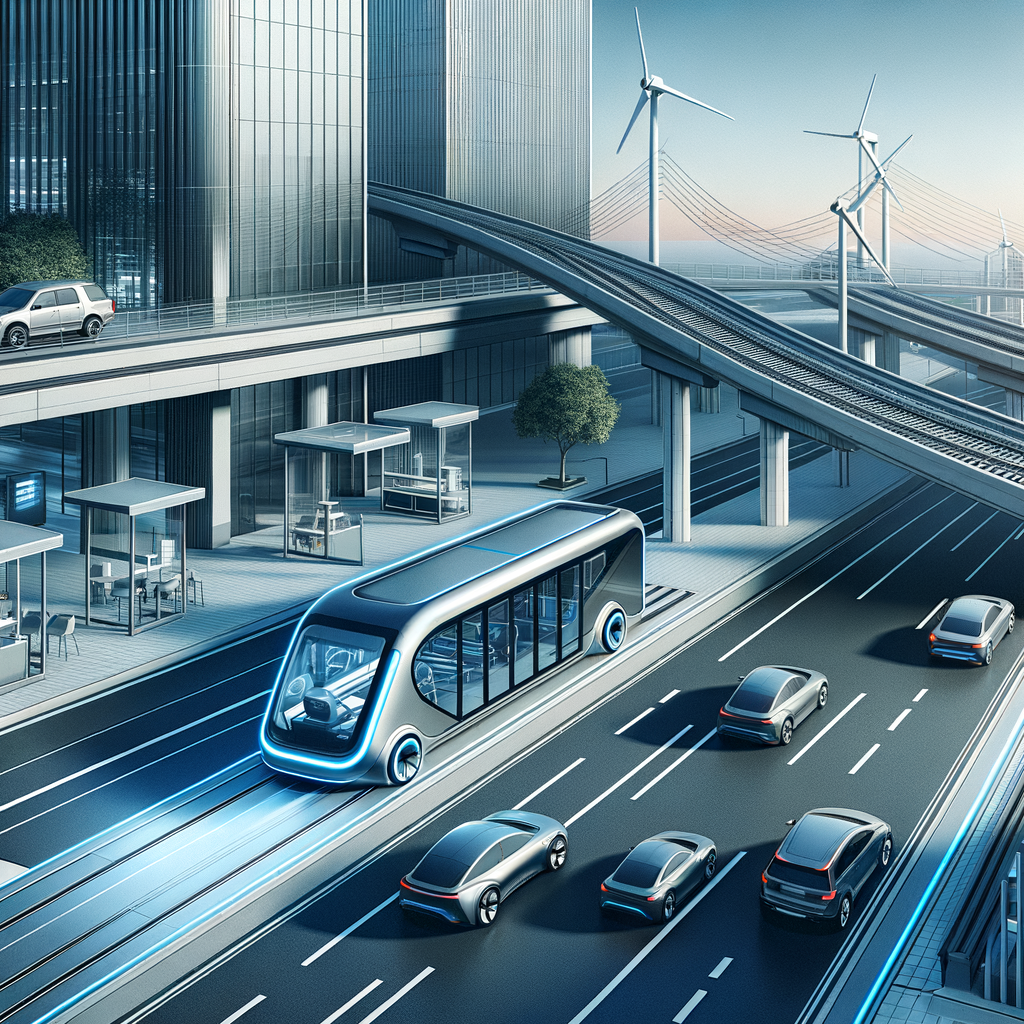
The rapid transformation in urban landscapes globally has necessitated a parallel evolution in how cities address mobility. With the growing concerns over climate change, congestion, and air pollution, urban infrastructure must pivot towards sustainable solutions. In this context, e-mobility emerges as a cornerstone. This technology-driven approach seeks to revolutionize the conventional mobility paradigm by integrating electric vehicles (EVs) and supporting infrastructures including charging ports and smart grids. The nexus of urban infrastructure and e-mobility solutions is critical in sculpting cities that are not only smart but also ecologically responsible. As urban centers continue to expand, integrating e-mobility solutions into the existing infrastructure becomes imperative for sustainable urban development. This article delves into how cities are increasingly adopting e-mobility solutions, the challenges they face, and the potential impacts on the future of urban mobility.
The Emergence of E-Mobility in Urban Landscapes
The contemporary urban landscape is in flux, adopting technological innovations to cope with burgeoning populations and the resultant mobility demands. E-mobility, which encompasses electric vehicles including cars, buses, scooters, and bicycles, represents a crucial pivot towards sustainable urban transportation. The emergence of e-mobility is largely driven by advancements in battery technology, government policies incentivizing electric vehicle use, and an overarching push towards reducing carbon footprints.
Battery technology advancements have spurred a growth in e-mobility by enhancing the efficiency and reducing the costs of electric vehicles. Lithium-ion batteries, prevalent in electric vehicles, have seen substantial improvements in energy density and charging capability. Consequently, these advancements have made EVs more economically viable and appealing to consumers.
Government policies across several nations have also played a catalytic role. Incentives, such as tax rebates and subsidies for electric vehicle purchases, along with initiatives for setting up charging infrastructures, have accelerated e-mobility adoption. These policies are frequently augmented by measures aimed at phasing out internal combustion engines in favor of greener alternatives.
The emphasis on reducing emissions and achieving carbon neutrality has galvanized efforts to incorporate e-mobility solutions widely. Cities globally recognize e-mobility as a pivotal component of their efforts to mitigate air pollution and promote public health.
Challenges in Integrating E-Mobility with Urban Infrastructure
The integration of e-mobility solutions with existing urban infrastructure presents several challenges. Foremost is the issue of infrastructure readiness. Cities with aging infrastructure often face difficulties in scaling up new technologies. Additionally, the installation of a widespread network of charging facilities is both financially and logistically challenging.
Financial constraints often arise as a significant hurdle. Building a comprehensive network of charging stations requires substantial investment, which municipalities, already strained by budgetary limitations, may find difficult to fund. Collaborative efforts between public and private sectors are vital to overcoming these financial barriers.
Furthermore, logistical challenges, such as identifying optimal locations for charging stations and ensuring their accessibility, require meticulous urban planning. In densely populated areas, the allocation of space for charging stations must be balanced with existing land use demands.
Public perception and acceptance also play a crucial role in e-mobility integration. Consumer skepticism due to range anxiety and the perceived higher costs of EVs can hinder the adoption rate. Addressing these perceptions through education and demonstrative projects can significantly enhance public acceptance of e-mobility solutions.
Urban Infrastructure Adaptations for E-Mobility
To effectively accommodate e-mobility, urban infrastructure must undergo significant adaptations. This encompasses not only the physical infrastructure required to support electric vehicles but also the digital infrastructure necessary for a seamlessly integrated system.
Charging infrastructure is pivotal. Cities are investing in diverse types of charging solutions, including fast chargers and wireless charging technologies. Fast chargers reduce session times significantly, making it convenient for users, while wireless options offer more flexibility and aesthetic value since they eliminate the need for physical plugs.
Integrating smart grids and vehicle-to-grid (V2G) technologies allows for balancing electrical loads and optimizing energy use. Smart grids facilitate real-time energy distribution that can adapt to the fluctuating demands of charging electric vehicles, thereby enhancing the efficiency of urban energy use.
Urban planning also plays a central role in integrating e-mobility solutions. Cities are redesigning street layouts to accommodate electric buses and creating dedicated lanes for electric bicycles and scooters. Such adaptations help to streamline mobility and reduce congestion.
The role of IoT (Internet of Things) in e-mobility cannot be overstated. Technologies that connect vehicles with infrastructure systems enable real-time data collection and analysis, improving traffic management and enhancing safety through predictive maintenance and timely updates.
The Socio-Economic Benefits of E-Mobility Solutions
E-mobility solutions offer extensive socio-economic benefits that extend beyond environmental gains. As cities embrace electric vehicles, they also open avenues for economic growth by creating new markets and employment opportunities in the manufacturing, installation, and maintenance of e-mobility technologies.
The transition to e-mobility can stimulate economic growth by fostering innovations in related industries, including battery production, software development, and urban infrastructure design. This ecosystem of industries supports job creation while driving technological advancements.
Additionally, e-mobility solutions contribute to decreased healthcare costs. By reducing vehicular emissions, they improve air quality, which in turn decreases the incidence of respiratory illnesses and lowers the healthcare burden associated with air quality-related diseases.
Socially, e-mobility promotes inclusivity by improving access to transportation for those who may face challenges with conventional mobility solutions. Electric buses and shared mobility options remove barriers, enabling smoother commutes across urban settings.
Global Case Studies and Best Practices
Several cities around the globe serve as pioneering examples of successful e-mobility integration. One notable example is Oslo, Norway, which has emerged as a leader in electric vehicle adoption. The city’s government has implemented extensive incentives for EV users, including free parking, toll exemptions, and access to bus lanes, resulting in one of the highest rates of electric vehicle adoption worldwide.
In China, Shenzhen has converted its entire bus fleet to electric, demonstrating the feasibility and benefits of urban e-mobility solutions on a massive scale. This transition has significantly reduced air pollution levels in the city, providing a model for other cities to follow.
In the Netherlands, Amsterdam has invested heavily in e-mobility infrastructure, including the development of smart charging networks that optimize energy use. The city’s approach integrates renewable energy sources to power the charging stations, aligning with broader sustainability goals.
Conclusion
The shift towards e-mobility represents a crucial intersection of technology, sustainability, and urban development, offering transformative opportunities to redefine urban landscapes. By addressing the challenges of infrastructure adaptation, cities can fully embrace the potential of e-mobility to reduce carbon emissions, improve air quality, and enhance the quality of urban life. Critical to success is the collaboration between public authorities, private sectors, and citizens to create comprehensive strategies that integrate e-mobility into urban planning. Leveraging digital innovations and global best practices, urban centers can accelerate their transition towards eco-friendly mobility solutions, paving the way for a sustainable urban future. As we continue this journey, our focus must remain on fostering robust infrastructure, encouraging innovation, and ensuring equitable access to mobility solutions for all urban residents. The path forward requires a concerted effort to not only develop technology but to embrace a new paradigm of mobility that prioritizes environmental stewardship and community well-being.
Frequently Asked Questions
1. What is the significance of urban infrastructure in promoting e-mobility solutions?
Urban infrastructure plays a pivotal role in the adoption and success of e-mobility solutions. With the world's urban landscapes undergoing rapid transformation to cope with population growth, pollution, and traffic congestion, cities must adapt their infrastructure to accommodate innovative, sustainable mobility options. E-mobility, primarily defined by electric vehicles (EVs), demands extensive support infrastructure to function effectively. This includes the development of EV charging stations, battery swapping facilities, and smart grid systems to ensure a steady, reliable supply of electricity. Without a well-planned infrastructure, e-mobility solutions face significant hurdles, such as range anxiety among users, which refers to the fear of running out of power without sufficient charging options available. Therefore, investment in urban infrastructure for e-mobility not only promotes the adoption of cleaner transportation but also aligns with broader environmental goals by reducing greenhouse gas emissions, lowering urban pollution, and minimizing dependency on fossil fuels.
2. How can cities effectively integrate e-mobility solutions into existing urban infrastructure?
Integrating e-mobility solutions into existing urban infrastructure requires a strategic approach and collaboration between stakeholders, including city planners, government bodies, transport agencies, and private enterprises. The first step involves an assessment of the current infrastructure to identify gaps and potential areas for improvement. After this assessment, cities can engage in strategic planning to develop a network of charging stations, taking into account high-traffic areas and residential zones to ensure easy access for all users. Innovations such as wireless charging and battery-sharing models could further enhance convenience. Furthermore, upgrading power grids to accommodate additional loads from EVs is crucial, requiring the implementation of smart grid technologies that can manage demand efficiently and incorporate renewable energy sources. Policy interventions, such as offering incentives for EV adoption or mandating parking facilities to include EV charging points, can accelerate the integration process. Lastly, ongoing public engagement is key to raise awareness and encourage shifts in transportation habits, as well as feedback mechanisms to continuously refine and expand infrastructure efforts.
3. What challenges do cities face in implementing urban infrastructure for e-mobility?
The transition to e-mobility within urban environments is not without challenges. One of the primary hurdles is the substantial upfront investment needed for upgrading existing infrastructure and developing new facilities. Installing widespread charging stations, retrofitting power grids, and upgrading public transport systems to accommodate electric vehicles involves significant costs, which can be a constraining factor for many cities. Additionally, the technological reliance and rapid innovation cycle in the e-mobility sector mean that infrastructure developments risk becoming obsolete shortly after implementation. Another challenge is spatial constraints in densely populated urban areas, where finding suitable locations for charging stations and associated infrastructure can be problematic. Moreover, the coordination required among various stakeholders—including local governments, utility providers, manufacturers, and citizens—often complicates or delays deployment. Public acceptance and adapting consumer behavior to favor e-mobility further add to these challenges, underlining the necessity of a cohesive strategy that addresses these multifaceted issues comprehensively.
4. What role do government policies play in advancing e-mobility infrastructure?
Government policies are critical drivers in the advancement of e-mobility infrastructure. They can create an enabling environment that promotes investment and innovation in sustainable transportation. Through comprehensive policy frameworks, governments can set ambitious targets for emission reductions, establish incentives for electric vehicle adoption, and provide funding for research and development in e-mobility technologies. Incentives such as tax rebates, subsidies for purchasing electric vehicles, and reduced registration fees can sensibly drive consumer adoption. Furthermore, governments can implement regulations that mandate the inclusion of EV chargers in new residential and commercial developments while also enforcing clean energy sourcing for these setups. Developing partnerships with private sectors and NGOs can foster joint ventures that pool resources and expertise. Policies focused on public awareness, including educational campaigns, can further elevate e-mobility as the preferred choice for urban travel. Overall, a robust policy framework is essential for addressing the economic, technical, and social dimensions of e-mobility.
5. How does e-mobility contribute to reducing urban air pollution and climate change?
E-mobility significantly contributes to improving urban air quality and combating climate change by providing a cleaner alternative to traditional petrol and diesel vehicles, which are significant sources of pollution. Electric vehicles produce zero tailpipe emissions, reducing harmful substances such as nitrogen oxides and particulate matter that degrade air quality and pose health risks. Moreover, when powered through renewable energy sources, EVs have the potential to minimize lifecycle emissions, making them a cornerstone of sustainable urban transport. By reducing reliance on fossil fuels and decreasing the overall demand for oil, e-mobility solutions directly contribute to lowering greenhouse gas emissions, which are the primary drivers of climate change. Integrating e-mobility into urban transportation networks can also support wider environmental conservation efforts, encourage the development of green economies, and promote the use of clean energy, ultimately fostering a healthier, more sustainable planet for future generations.