
Introduction
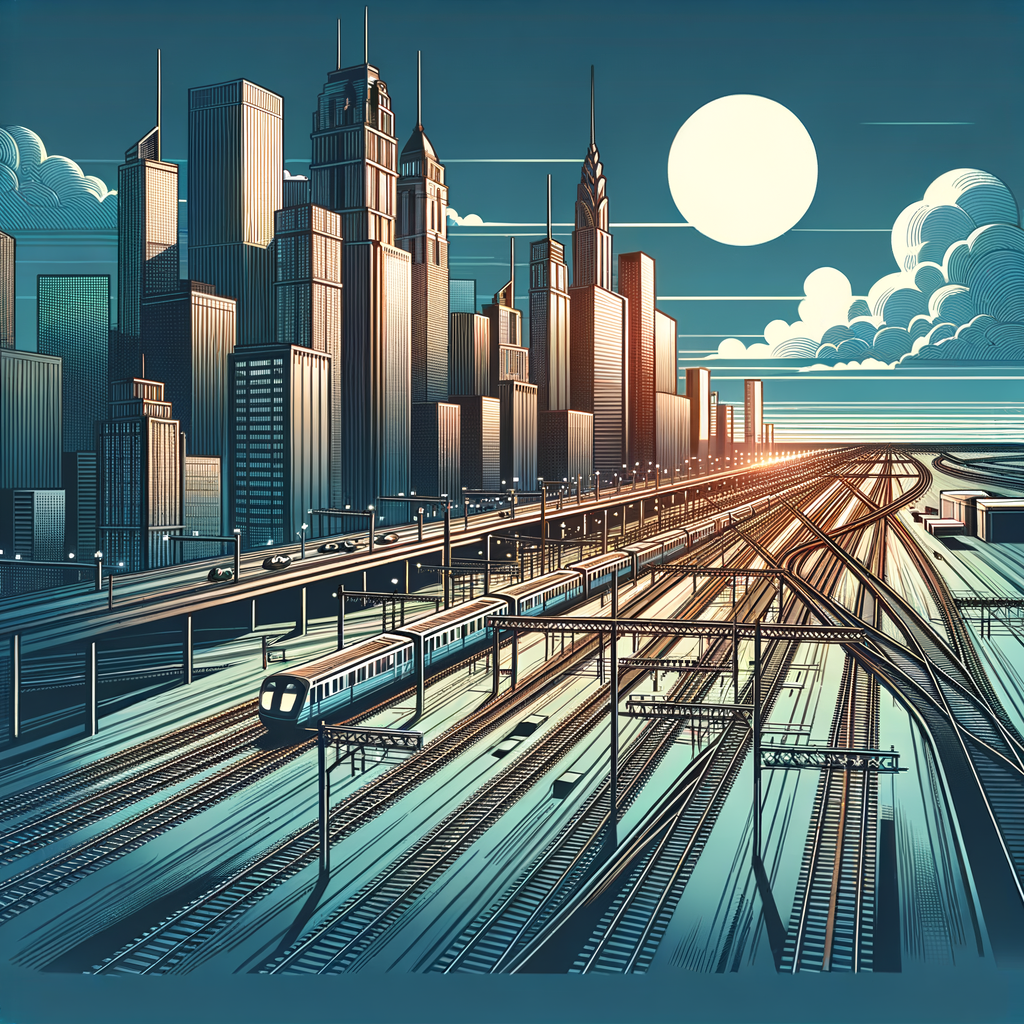
When envisioning the framework of modern society, few innovations have profoundly influenced urban development as much as the establishment and expansion of railroads. Throughout the 19th and early 20th centuries, railroads revolutionized transportation, facilitating unprecedented movement of goods and people. This transformative period ushered in a new era of urbanization, shaping cities and towns in ways that continue to reverberate into the present day. The integration of railroads was not merely about improving transportation distances; it ushered in economic growth, social change, and a reimagining of geographical expansion. Examining the role of railroads in urban development provides insight into how they laid the groundwork for the bustling metropolises of today. From the early days of rail travel to the vast networks across continents, railroads have been at the forefront of reshaping the urban landscape. This article will delve into the mechanisms by which railroads influenced urbanization, explore historical examples, and analyze the enduring impact of these iron pathways on city life.
Railroads as Catalysts for Economic Growth
Railroads served as powerful catalysts for economic expansion, essentially rewriting the map of commerce. Before the advent of rail, transportation was limited by geographical constraints, with waterways and rudimentary roads presenting significant limitations. The advent of the rail network shattered these barriers, enabling cities to access distant markets and resources with remarkable efficiency. Railroads facilitated the movement of raw materials to urban manufacturing hubs, thereby accelerating industrialization. This accessibility transformed cities into bustling centers of industry, attracting both labor and capital.
The economic boom triggered by railroad expansion led to a surge in real estate values, particularly in areas with direct access to rail lines. Towns rapidly developed into cities as businesses thrived and populations grew. Importantly, this growth was not uniform; rail access often determined which regions flourished while others stagnated. Cities like Chicago and New York became major industrial hubs, owing much of their growth to their strategic positions in the railroad network. The linkages established by these railroads thus determined not only the movement of commodities but also the patterns of urban growth and economic opportunity.
Influence on Urban Planning and Design
Railroads significantly influenced urban planning and architectural design. The alignment and location of rail lines dictated the layout and growth of cities during the industrial era. Railroads created natural corridors for urban expansion, influencing where and how cities grew. Furthermore, railway stations often became focal points for urban life, around which cities organized commercial and residential districts. Iconic stations such as Grand Central Terminal in New York City and Gare du Nord in Paris remain architectural marvels and vibrant centers of activity.
The spatial arrangement of urban areas often followed the logic of railroad lines, creating linear rather than radial growth patterns. This development necessitated the planning of infrastructure like roads and public transport systems to accompany railway networks. In recognizing the importance of these transport hubs, urban planners began designing cities to enhance connectivity and accessibility. Consequently, railroads not only shaped physical landscapes but also influenced the mindset of city planning, prioritizing accessibility and integration within urban environments.
Impact on Population Movements and Demographics
The expansion of the railroad network significantly affected population movements, acting as a conduit for migration and urbanization. Railroads provided affordable and efficient travel for people seeking better opportunities, contributing to the demographic transformation of urban centers. The influx of workers, immigrants, and families to cities driven by rail connectivity transformed urban demographics, diversifying population compositions.
Moreover, this mobility allowed for suburban expansion, as improved transportation enabled people to live further from their places of work. Suburbanization led to the growth of areas around major cities, facilitated by commuter trains that brought residents into urban centers. This trend led to shifts in population density and demographic patterns and remains a fixture of modern urban life. By making distant regions accessible, railroads effectively blurred the boundaries between urban and rural living, enabling the growth of suburban lifestyles.
Environmental and Social Implications
The rise of railroads brought about significant environmental and social implications, both positive and negative. On one hand, rail travel contributed to a reduction in reliance on horse-drawn vehicles, thereby lessening urban pollution. Rail transport, relatively efficient for moving large numbers of people and goods over long distances, offered an environmentally friendlier alternative to other forms of transportation.
However, the rapid expansion of railroads also had its drawbacks. The construction and operation of rail lines led to ecological disruption, altering landscapes and ecosystems. Additionally, the growth patterns driven by railroads sometimes resulted in urban sprawl, with its attendant challenges such as increased traffic congestion, pollution, and socio-economic disparities. These complexities underscore the dual-edged impact of railroads on urban development, highlighting the necessity for sustainable planning in future infrastructural expansions.
Case Studies of Notable Railroad Cities
Cities such as Chicago, as mentioned earlier, serve as prime examples of railroad-driven urban development. Chicago’s strategic location made it a vital hub in America’s railroad network, earning it the nickname “The Railroad Capital of the World.” The convergence of multiple rail lines in Chicago facilitated the city’s emergence as a leading center for industry, finance, and culture.
Another illustrative case is Philadelphia, which saw substantial growth thanks to its position as a key node in early American railroads. Railroads enabled Philadelphia to maintain its status as an economic powerhouse during the 19th century, promoting the influx of labor and capital that fueled the city’s prosperity. Similar patterns were visible in other key cities globally, from London to Tokyo, where railways played crucial roles in urban expansion and modernization.
Railroad cities often serve as cultural and economic centers, with vibrant communities arising around rail hubs. This dynamic fostered economic growth and became intrinsic to the cities’ identities, underpinning their historical and continued influence on urban development.
The Continuing Influence of Railroads in Urban Fabrics
The infrastructure created by railroads continues to shape cities even in the present day, despite changes in transportation technology and urban priorities. Many cities still rely on rail networks for mass transit, with subways and commuter trains constituting essential components of urban transit systems. The resurgence of interest in sustainable transport has also brought renewed focus to railroads, prompting investments in high-speed rail and transit-oriented development strategies.
Modern urban planners and policy-makers are recognizing the potential of rail transit to address contemporary urban challenges such as congestion and pollution. Revitalized rail infrastructure can provide sustainable solutions, asserting railroads’ relevance in addressing quality-of-life issues within urban environments. The legacy of railroads in shaping urban spaces remains robust, cementing their role as pivotal instruments in urban strategy and planning.
Conclusion
The role of railroads in urban development has been nothing short of revolutionary, situating them as indispensable to the growth and evolution of cities. Initially serving as vectors for economic acceleration and population movement, railroads etched indelible pathways across urban landscapes. The resulting development patterns are visible in cityscapes around the world, underscoring railroads’ significant influence on urban architecture and planning.
While these iron arteries enabled the rise of modern metropolises, they also introduced environmental and social complexities that continue to pose challenges. The ongoing expansion and revitalization of rail infrastructure highlight the enduring utility of railroads in meeting contemporary urban demands. As cities strive towards more sustainable futures, the historical influence of railroads provides both lessons and opportunities for shaping resilient urban ecosystems.
Ultimately, understanding the transformational impact of railroads on urban dynamics invites us to appreciate their enduring legacy. These silent but powerful forces propel not only trains and freight, but also the vision for future urban evolution. Their role in past, present, and prospective urban scenarios paints a comprehensive picture of how transportation networks serve as the backbone of urban innovation, connectivity, and growth.
Frequently Asked Questions
1. How did railroads influence the growth of cities during the 19th and early 20th centuries?
Railroads played a pivotal role in the growth of cities during the 19th and early 20th centuries by providing a crucial transportation link. This massive networking of rail lines allowed for more efficient movement of people and goods, which was a game-changer for urban populations and economies. With railroads, cities could access distant markets more readily and efficiently, leading to increased trade and commerce. New economic opportunities resulted in a surge of employment and an influx of migrants seeking jobs, which spurred population growth. Moreover, railroads encouraged the establishment of industries along their routes, leading to the rise of industrial centers that contributed to urban sprawl.
Additionally, the strategic placement of railroad lines often determined where towns would flourish. Rail stations became hubs of activity, often attracting businesses, hotels, and shops to cater to travelers, and consequently fostering local economic growth. Rail infrastructure also enabled cities to expand beyond their pre-existing boundaries, thus influencing land patterns and city planning. Residential areas began developing around rail lines or stations, creating a distinctive suburban layout that still characterizes many cities today. Overall, railroads set the stage for modern metropolitan regions by laying down the transportation backbone that would support urban development for decades to follow.
2. In what ways did railroads impact the economy of urban areas?
Railroads revolutionized the economy of urban areas primarily by lowering transportation costs and enhancing access to markets. This newfound connectivity allowed for the mass distribution of goods and resources that were previously confined to specific regions, thus making a wider variety of products available nationwide. Businesses in urban centers were able to expand their consumer reach, which often resulted in increased production demands and economic vitality. Importantly, railroads also enabled the shipment of agricultural and raw materials from rural areas to urban markets, ensuring that cities could sustain their growing populations.
Furthermore, the establishment of railroads stimulated investment and infrastructure development. Cities with effective railroad networks experienced increased foreign and domestic investments, as businesses recognized the potential for heightened productivity and profitability. Industries situated along rail lines often thrived due to the convenient transport of inputs and outputs, further boosting urban economies. Another significant economic impact was job creation; railway construction and maintenance provided a plethora of employment opportunities, from the workers laying down tracks to those involved in the operation and management of train services.
3. How did railroads influence suburban growth and the movement of people?
The advent of railroads greatly influenced the trend of suburban growth by facilitating the movement of people in and out of urban centers. Before the widespread adoption of rail transport, individuals typically lived within walking distance of their workplace. However, with trains offering a reliable and efficient way to travel between urban areas and their peripheries, people began to move away from overcrowded and expensive city centers to more suburban locales. This movement was facilitated by the construction of commuter rail lines, which made living farther from one’s place of work both feasible and appealing.
As populations shifted, suburbs began to emerge as desirable residential areas, leading to new real estate developments around rail stations. These new communities offered the benefits of urban proximity without the associated hustle, creating an attractive option for middle-class families seeking better living conditions. The trend of suburbanization supported by railroads also had social implications, as it contributed to the expansion of the middle class and influenced the sociocultural dynamics of residential areas. Today, we still see the remnants of this trend, as many suburbs remain railway-centric, with train stations acting as pivotal community touchpoints around which residential and commercial developments are organized.
4. What was the effect of railroads on urban planning and cityscape design?
Railroads significantly influenced urban planning and cityscape design, helping to shape the very physical structures and layouts of cities. Planners and architects of the time had to accommodate the needs of the rail network, incorporating rail lines and stations into urban designs. This integration often resulted in a grid-like city structure that allowed for seamless movement of trains through urban corridors, with stations serving as key interaction points within the cityscape. Such considerations led to the strategic layout of streets, infrastructure, and the zoning of industrial, commercial, and residential areas in proximity to railroad networks.
The placement of railways also influenced where growth would occur. Cities would often develop along the tracks, following the path of least resistance offered by the railway, sometimes causing sprawling linear expansions. The presence of a major rail station could elevate a neighborhood’s status, resulting in an influx of businesses and residents hoping to benefit from the station’s accessibility. This often encouraged mixed-use developments, where commercial facilities were built to serve the residents commuting via rail, effectively integrating living and working spaces.
5. How did the decline or transformation of railroads affect urban development in the later 20th century?
As railroads began to decline in prominence by the mid-20th century due to the rise of automobiles and the construction of highways, urban development experienced a shift. Cars and trucks took over as the primary means of transportation for both people and goods, causing cities to expand outwardly in ways not strictly dictated by rail lines. This led to the phenomenon of urban sprawl, where development dispersed over larger areas, often driven by the acceptance of automobile commuting as the norm.
This transition also resulted in the neglect and sometimes abandonment of railroad infrastructure. Many decaying rail corridors were repurposed into urban green spaces or trails, while others left behind economic voids in areas that had once depended heavily on the railway for commerce. However, more recently, with an increasing interest in sustainable development and public transport, there has been a resurgence in the popularity of rail transit. Many cities have invested in rail-based public transportation systems to combat congestion and pollution, reviving and transforming older rail networks into modern light rail or commuter rail services.