
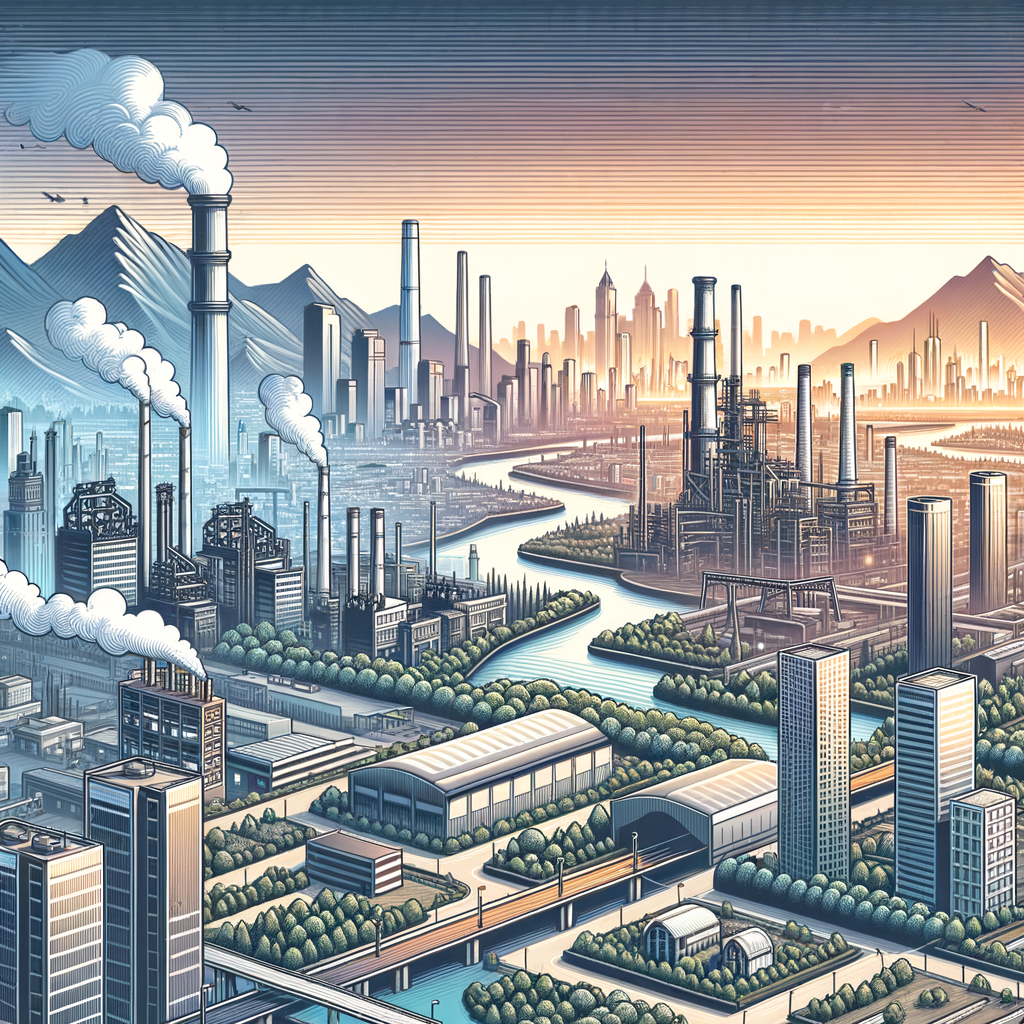
Introduction
The Industrial Revolution was a transformative period that began in the late 18th century and continued into the 19th century. It was a time of significant technological advancements, transitioning industries from manual labor and artisanal workshops to machine-based manufacturing processes. This era marked a shift from agrarian economies to industrialized urban landscapes, revolutionizing the way societies functioned and lived. As industries grew, so did the population density and structure of cities, leading to extensive urban growth. The Industrial Revolution played a crucial role in shaping the development of modern cities, impacting various aspects of urban life such as economy, society, and living conditions. While the transformation led to increased economic opportunities and advancements in technology and infrastructure, it also brought about challenges such as urban overcrowding, insufficient housing, and health issues. This article delves into the multifaceted impacts of the Industrial Revolution on urban growth, exploring the factors that led to extensive urbanization and examining both the positive and negative ramifications of this epoch-defining period.
Technological Advancements and Urbanization
At the heart of the Industrial Revolution was the technological innovation that dramatically changed production methods. The introduction of machinery, such as the steam engine and power looms, revolutionized manufacturing. Factories began to dominate the industrial landscape, necessitating labor that drew people from rural areas to urban centers in search of work. This migration contributed to significant urban growth, as cities expanded to accommodate the influx of workers and their families. The mechanization of production processes facilitated the mass production of goods, which in turn spurred economic growth and increased urban prosperity.
The steam engine, invented by James Watt, is often regarded as the quintessential symbol of this era’s technological progress. It enabled factories to operate independent of natural waterways, allowing them to be located in more urban settings. This technological leap not only increased industrial output but also reinforced the importance of cities as centers of economic activity and innovation. The establishment of factories in urban areas led to the strategic development of transportation networks, such as railways, that further supported urban growth by enhancing the movement of goods and people.
Economic Transformations
The Industrial Revolution was characterized by significant economic transformations that fueled urban development. The efficient production of goods enabled by mechanization led to the emergence of new markets and trading opportunities. As industries expanded, cities became hubs of commerce and trade, attracting more people due to the promise of employment and prosperity. The growth of industries in urban areas was accompanied by the formation of a capitalist economy, solidifying the city’s role as the focal point of economic decision-making and financial growth.
With increased industrial output, cities experienced rapid infrastructural developments. The demand for better roads, bridges, and public buildings created a constant need for new infrastructure projects, facilitating further economic growth. Investment in infrastructure was a direct response to the challenges and opportunities presented by urban expansion, making cities more accessible and livable for their growing populations. The economic revolution driven by industrialization highlighted the interdependence between urban growth and economic progress, shaping cities into economic powerhouses that contributed significantly to national economies.
Socio-cultural Impacts
The Industrial Revolution was a catalyst for wide-ranging socio-cultural changes within urban environments. The migration of people from rural to urban areas led to a blending of cultures and ideas, creating vibrant and diverse cityscapes. This intermingling of populations fostered cultural exchange, innovation, and a new urban identity, which challenged traditional norms and practices. The promise of work and a better life attracted a diverse range of people to cities, contributing to their cosmopolitan nature.
However, the rapid urbanization also had its drawbacks, especially in terms of living conditions. The swift expansion of cities often outpaced the development of adequate housing, leading to overcrowded living conditions in many urban areas. The lack of proper sanitation and infrastructure contributed to health issues, with urban centers struggling to keep pace with the burgeoning population. These conditions necessitated social and political responses, leading to the rise of movements aimed at improving living conditions and addressing urban poverty.
Urban Challenges and Health Issues
The unprecedented growth of urban areas during the Industrial Revolution introduced significant challenges. As cities swelled with new residents, the demand for housing surged, creating sometimes unsanitary and overcrowded living conditions. Many urban areas saw the rapid development of tenement housing, where several families were crammed into small, poorly ventilated spaces. Such living conditions were conducive to the spread of diseases, and cities struggled to manage these public health crises.
Healthcare systems of the time were ill-equipped to deal with the rapid influx of patients resulting from poor living conditions. Epidemics such as cholera, smallpox, and tuberculosis were rampant in densely populated areas. These health challenges underscored inadequacies in public health systems and necessitated reforms in sanitation and urban planning. The realization of these problems eventually led to significant advancements in public health policies and infrastructure, including the development of proper sewage systems, clean water supplies, and better waste management practices.
Improved Infrastructure and Public Services
Despite its challenges, the Industrial Revolution was also a period of significant growth in urban infrastructure and public services. Cities began to develop systems of public transportation, such as trams and buses, to accommodate the growing urban populace. Improved transportation systems facilitated easier commuting, allowing cities to expand further and integrating suburbs into metropolitan areas. This period saw the genesis of modern urban planning, which sought to address the inefficiencies and inadequacies of rapidly developing urban environments.
Public services such as education and policing evolved in response to urban growth. More accessible education systems emerged, with the establishment of public schools aimed at catering to the diverse urban populations. The need for better-maintained law and order systems prompted expansions in policing beyond pre-industrial community watch systems. These developments reflected a growing understanding of the role that well-functioning public services and infrastructure played in creating sustainable urban environments and enhancing the quality of life for city dwellers.
Long-term Impacts on Urban Development
The repercussions of the Industrial Revolution have had profound long-term effects on urban development. The transformation of cities during this period laid the groundwork for modern urban centers that continue to function as economic and cultural hubs. The changes initiated by industrialization established key principles of urban planning and development that inform city growth and management to this day. The emphasis on connectivity, infrastructure, and public services initiated a legacy of strategic urban development that continues to underpin modern city planning.
Industrially driven urban expansion has also influenced the spatial and economic hierarchy of cities, establishing urban cores as primary zones of economic activity. This spatial organization reflects the broader economic and social structures that were shaped during the Industrial Revolution, which continues to influence contemporary urban processes and governance. As cities continue to adapt and grow, the lessons learned from the Industrial Revolution remain relevant in navigating challenges and seizing opportunities in the quest for sustainable urban development.
Conclusion
The Industrial Revolution was a pivotal era that redefined the trajectory of urban growth, introducing both profound opportunities and significant challenges. It catalyzed the development of cities into influential centers of economic activity, innovation, and cultural exchange. The technological advancements that characterized this period laid the foundation for the modern urban landscape, underpinning the connectivity and infrastructure that cities rely on today. However, the rapid urbanization also highlighted critical issues such as overcrowding, public health crises, and inadequate housing, necessitating substantial reforms and innovations in public health and urban planning.
The long-lasting impacts of this transformative period continue to be evident in contemporary urban environments, where the principles established during the Industrial Revolution guide sustainable development and inform approaches to modern urban challenges. As urban centers evolve, the legacy of the Industrial Revolution provides insights into addressing present and future urban demands, creating cities that are resilient, inclusive, and strategically planned. The story of this period is a testament to the enduring power of innovation and adaptation in shaping thriving urban landscapes capable of meeting the demands of an ever-changing world.
Frequently Asked Questions
1. What were the major technological advancements during the Industrial Revolution that contributed to urban growth?
The Industrial Revolution was characterized by groundbreaking technological advancements that played a crucial role in propelling urban growth. One of the pivotal inventions was the steam engine, developed by James Watt, which revolutionized transportation and manufacturing. The steam engine enabled faster and more reliable movement of goods and people, leading to the expansion of railways and increased urbanization. Moreover, the mechanization of textile production, exemplified by inventions such as the spinning jenny and power loom, significantly boosted industrial productivity and spurred population migration to urban centers where factories were located.
Another vital innovation was the development of iron and steel production techniques, including the Bessemer process, which facilitated the construction of durable buildings, bridges, and railways. These advancements supported infrastructural growth in cities. Additionally, advancements in agriculture, such as the mechanical reaper and improvements in crop rotation, enhanced food production efficiency, which in turn supported population growth and urban expansion by feeding the growing workforce inhabiting urban areas.
The construction of canals and the later development of steamships also played a crucial role in urban growth by enhancing trade efficiency and connecting markets. Together, these technological advancements fundamentally changed the nature of work, transportation, and living, paving the way for the emergence of bustling industrial cities.
2. How did the shift from agrarian economies to industrialized societies affect urban populations during the Industrial Revolution?
The transition from agrarian economies to industrialized societies during the Industrial Revolution had profound effects on urban populations. As industries grew, they required a large workforce, which led to significant rural-to-urban migration. People flocked to cities in search of employment opportunities offered by the burgeoning factories and industries. This migration resulted in dramatic increases in urban population densities and the emergence of new urban centers.
This shift also led to changes in social and economic structures. Traditional agrarian communities were often characterized by close-knit relationships and a focus on farming. However, with the rise of industrial cities, new social dynamics emerged, with people working long hours in factories under often harsh conditions. Urban areas became melting pots of diverse cultural and ethnic backgrounds as individuals migrated from different regions in search of work. This diversity contributed to the vibrancy of city life but also to challenges, such as overcrowding and the rise of tenement living conditions, where many families lived in cramped and unsanitary housing.
The rapid urbanization prompted city authorities to adapt quickly by developing infrastructure, such as sanitation systems and transportation networks, to cope with the growing population. Overall, the shift to industrialized societies marked a period of significant challenge and opportunity, as urban populations navigated the complexities of a rapidly changing environment.
3. What impact did urbanization during the Industrial Revolution have on public health and living conditions?
Urbanization during the Industrial Revolution had a substantial impact on public health and living conditions, often presenting formidable challenges to city dwellers. As cities swelled with new inhabitants, existing infrastructure was frequently inadequate to handle the sudden influx of people. Housing shortages led to the proliferation of overcrowded tenements, where families lived in minimal and often squalid conditions, lacking proper sanitation facilities and adequate ventilation.
This overcrowding and poor sanitation led directly to public health crises. Water-borne diseases, such as cholera and typhoid fever, were rampant due to the lack of clean water and proper sewage disposal systems. Air pollution from factories, combined with smoke from coal fires used for heating, exacerbated respiratory illnesses among urban populations. The lack of public awareness and adequate healthcare further compounded these issues, with public health services initially ill-equipped to respond to the needs of rapidly growing urban areas.
Despite these challenges, the pressing health issues eventually spurred efforts to improve living conditions. Cities began investing in modern water supply and sanitation systems, building public health institutions, and implementing regulations aimed at improving housing quality. The Industrial Revolution thus served as a catalyst for advancements in public health and urban planning, highlighting the need for improved infrastructure to sustain healthy urban living.
4. How did the Industrial Revolution contribute to the development of urban infrastructure?
The Industrial Revolution significantly contributed to the development of urban infrastructure, transforming cities into functional and interconnected hubs of activity. As industries and urban populations expanded, there was an urgent need for improved transportation routes, utilities, and public services to support the growing cities. Railways became one of the most revolutionary infrastructural developments, facilitating efficient movement of goods and people across vast distances. This connectivity not only boosted trade and industry but also reshaped the landscape of cities by allowing suburban areas to develop, easing urban congestion.
The demand for more efficient transportation within cities led to the development of extensive road networks and public transportation systems, such as buses and trams. These innovations improved the quality of urban life by enabling better accessibility to work and social amenities. Furthermore, the construction of canals and improvements in port facilities enhanced waterborne trade, supporting the economic vibrancy of urban areas.
Simultaneously, the growing urban populations necessitated advancements in utilities. Cities invested in new technologies to provide essential services such as gas lighting, which illuminated streets and public spaces, extending productive hours and improving safety. Advances in water supply and sewage systems were undertaken to address public health needs and prevent disease outbreaks. Collectively, these infrastructural developments laid the groundwork for modern urban living, optimizing the operation and growth of cities and setting the stage for future innovation.
5. In what ways did the Industrial Revolution influence the social fabric of urban areas?
The Industrial Revolution had a transformative impact on the social fabric of urban areas, reshaping social structures, lifestyles, and cultural norms. The concentration of diverse populations in cities led to increased social interactions and cultural exchanges, fostering a dynamic urban culture. However, it also resulted in visible social stratification, with distinct differences emerging between the affluent upper and middle classes and the working-class populations.
As industry owners, entrepreneurs, and skilled professionals reaped the economic benefits of industrialization, they experienced upward social mobility, gaining wealth and influence. This newfound prosperity was often displayed through the construction of grand homes and participation in social and cultural events, contributing to the development of exclusive social circles. In contrast, factory workers and laborers, who formed the backbone of the industrial workforce, often endured long hours, low wages, and harsh working conditions, living in crowded and under-resourced urban districts.
Despite these disparities, urban areas during the Industrial Revolution became arenas for social reform and activism. Labor movements emerged as workers sought to improve conditions and secure rights, leading to the formation of trade unions and advocacy for labor laws. Additionally, the era witnessed the rise of philanthropic efforts and the establishment of charitable organizations aimed at addressing issues like poverty and education, which were prevalent in rapidly growing cities.
The Industrial Revolution also spurred advancements in education and literacy, as improved access to education for urban populations supported the demand for a more skilled workforce. This educational progress played a significant role in shaping the social landscape of cities, fostering greater political awareness and participation among urban dwellers and paving the way for wider societal changes in the subsequent years.