
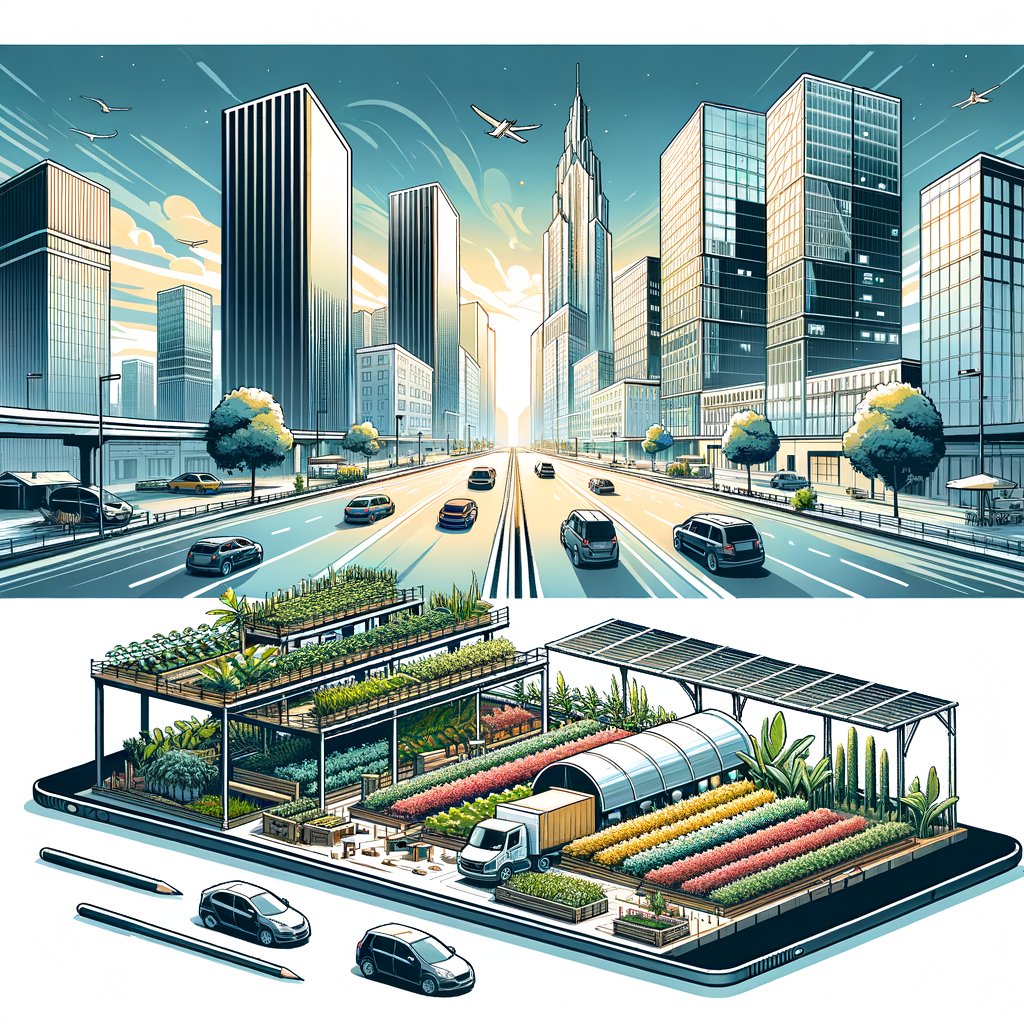
Urban agriculture, a burgeoning facet of contemporary city living, represents cultivating, processing, and distributing food in or around urban areas. As more of the global population shifts towards city living, this mode of farming has gained traction. However, one aspect often overlooked is the impact of urban infrastructure on urban agriculture. Urban infrastructure encompasses the roads, bridges, electrical grids, water supply, sewage systems, and other facilities pivotal for a city’s functioning. The relationship between this and urban farming is essential in determining the viability and scalability of agricultural practices within city spaces. Exploring this connection can offer insights into optimizing urban layouts to facilitate productive agricultural activities, potentially leading to sustainable urban living. This not only implies greening the cities but also involves understanding how existing infrastructure interacts and sometimes conflicts with agricultural endeavors.
Infrastructure provides significant potential for this agricultural transformation by offering rooftops and unused spaces for farming. However, challenges such as pollution, limited space, and logistics hinder large-scale implementation. Consequently, urban planners must evaluate how infrastructure development and agricultural integration can coexist sustainably. The goal is to address urban agriculture’s unique challenges and opportunities, creating a seamless interweaving of city life with food production. Understanding these dynamics is imperative for cities aiming to become resilient and self-sufficient in food production in an era where urbanization dominates. As such, tackling the complexities of urban infrastructure’s impact on urban agriculture can pave the way toward achieving a holistic urban ecosystem.
The Role of Urban Infrastructure in Supporting Urban Agriculture
Urban agriculture can play a vital role in enhancing city resilience, reducing food miles, improving air quality, and fostering community ties. Cities today invest significantly in infrastructure to support the thriving needs of their population. A pertinent question remains how such infrastructure can concurrently support urban agriculture. One of the primary ways is through optimizing the utilization of existing spaces. Standard urban infrastructure includes numerous underutilized areas such as rooftops, vacant lots, and community gardens. These spaces can potentially host urban farming activities, transforming them into productive landscapes.
Green rooftops are particularly advantageous, combining infrastructure maintenance and food production. By adopting rooftop gardens, cities can enhance their buildings’ energy efficiency, minimizing the heat island effect, while simultaneously providing space for cultivating food. This utilization demands a structural assurance that rooftops can bear additional weight and advancements in irrigation and drainage systems, proving that urban infrastructure must be conducive to urban farming initiatives. Furthermore, existing water management systems within cities can support urban agriculture by efficiently channeling rainwater and wastewater for irrigation.
Transportation networks within cities also play a crucial role. With urban agriculture aiming for fresh, local produce, efficient logistics are required for distributing produce from urban farms. Properly integrating agriculture with existing transportation systems can reduce delivery times, decrease spoilage, and ensure that products arrive fresh to consumers. While enhancing efficiency, this also reduces the carbon footprint traditionally associated with food transportation from rural to urban areas. Electricity infrastructure, especially sustainable energy options such as solar panels on rooftops, can further empower urban farmers by providing eco-friendly energy sources for their operations.
Challenges Facing Urban Agriculture Due to Urban Infrastructure
Despite the various advantages, urban infrastructure presents several challenges to agriculture. One significant challenge is the competition for space. Urban environments are often densely packed, leaving limited room for agricultural activities. As cities grow, existing infrastructure may squeeze the potential areas available for urban farming, particularly when new developments prioritize residential or commercial use over green spaces. Consequently, careful planning and zoning regulations are required to secure designated farming areas within urban settings.
Pollution is another critical issue, with urban centers often grappling with high levels of air and soil pollution. Such conditions may impede urban agriculture practices by affecting crop quality and productivity. Urban infrastructure, primarily through transport and industrial activities, contributes significantly to pollution levels. Therefore, infrastructural development must consider measures to mitigate pollution, fostering an environment conducive to healthy urban agriculture. Additionally, the constant upgrade and maintenance of urban infrastructure, such as roadworks and other constructions, can disrupt farming activities.
The availability and quality of water for irrigation pose another challenge. Urban areas often experience competition for water resources, affecting the volumes available for agricultural use. Moreover, the quality of available water may not always meet safe irrigation standards, particularly if it emanates from contaminated urban runoff. Reliable, safe water supply systems must be developed alongside ongoing infrastructural efforts to support successful urban agriculture. Furthermore, the lack of support facilities, such as cold chain storage in urban settings, complicates the process of storing and preserving perishable produce. Additionally, accessibility to energy, particularly in underdeveloped urban regions, further hampers productivity, emphasizing the need for a resilient urban power grid that aligns with agricultural needs.
The Socioeconomic Impacts of Integrating Urban Agriculture and Urban Infrastructure
Properly integrating urban agriculture with infrastructure can have far-reaching socioeconomic impacts. Firstly, it addresses food insecurity by reducing dependency on imported food items, lowering costs, and making fresh produce more accessible. By cultivating food locally, urban populations can directly benefit from reduced logistics costs and shorter supply chains, ensuring fresher and more affordable food options. Additionally, urban farming creates employment opportunities, further bolstering the local economy. Jobs range from cultivation and harvesting to management, sales, and distribution of agricultural produce within city environments.
Moreover, urban farming’s integration with infrastructure fosters social cohesion by encouraging community collaborations. Community gardening projects and collective efforts in maintaining urban farms can strengthen community ties and promote collaborative mentalities. This not only facilitates resource sharing but also enhances educational opportunities, providing citizens with skills and knowledge pertinent to sustainable living practices. Furthermore, urban agriculture serves as a critical tool in environmental sustainability efforts, contributing to biodiversity by introducing green spaces and natural habitats in cities, reducing urban carbon footprints. It can also serve as a platform for sustainability initiatives, raising awareness and educating individuals on environmental stewardship and food systems.
Additionally, on an economic scale, urban agriculture can stimulate local economies by promoting local businesses and encouraging urban marketplaces, allowing for direct sales between farmers and consumers. These initiatives can rejuvenate urban districts, turning them into vibrant hubs of activity and interaction. However, these socioeconomic benefits depend significantly on the integration quality between urban infrastructure and agricultural activities. Effective policy-making and well-planned infrastructure should prioritize sustainability, economic viability, and social equity to fully realize urban agriculture’s potential in creating resilient urban ecosystems.
The Way Forward: Policy Implications and Future Prospects
To effectively harmonize urban infrastructure with urban agriculture, forward-thinking policy frameworks are needed. City planners must integrate agricultural potential into urban development plans, ensuring that landscapes for urban farming are protected and promoted. Adopting sustainable urban planning practices that prioritize ecological considerations over sheer economic growth will be crucial. Additionally, policies should encourage innovation and technology incorporation to enhance urban farming efficiency. Investing in research and development for resilient crop varieties, vertical farming, and hydroponic systems can significantly improve urban agricultural productivity, even within limited space environments.
In addition, addressing challenges related to pollution, water management, and waste utilization will require a concerted effort between governmental organizations, private entities, and local communities. Implementing centralized waste management systems can also facilitate urban agriculture by converting organic waste into compost for farming activities. Moreover, government incentives and subsidies for urban farmers, including tax breaks or grants, can stimulate interest and investment in urban agriculture, encouraging citizens to explore this viable food production method.
Engaging communities through participatory planning can elicit diverse perspectives and foster greater acceptance and implementation of urban agriculture projects. By incentivizing citizens to partake in co-development initiatives, urban farming’s societal benefits can be maximized. As with any transformative initiative, public awareness and education play critical roles. By educating communities on urban agriculture’s benefits and practices, new generations can be encouraged and equipped to participate. As cities worldwide grapple with the challenges brought by burgeoning populations and urban sprawl, adopting strategic measures to integrate infrastructure with urban agriculture presents a promising path towards sustainability, ensuring cities thrive while nourishing themselves.
Conclusion
Understanding and implementing the relationship between urban infrastructure and urban agriculture is more crucial today than ever. As cities grow, the demand for sustainable solutions to urban living has intensified. Urban agriculture, while presenting immense potential benefits, faces challenges intricately linked to existing infrastructure. Balancing the needs of infrastructural development and agricultural innovation calls for collaborative planning, thoughtful policies, and progressive attitudes toward urban redesign and resource optimization. Only by bridging the gap between these sectors can urban centers hope to become self-sustaining ecosystems, where agriculture and urbanization harmoniously coexist and reinforce one another’s objectives.
The future of urban living rests significantly on sustainable practices that support both human and environmental health. By integrating urban agriculture within infrastructure planning, cities can not only ensure food security but also improve economic viability and community resilience. Moving forward, urban agriculture should be viewed as a vital component of urban life, requiring structured support and innovative policy-making. Enabling its success demands a holistic outlook on city planning where infrastructure no longer acts as a barrier but instead serves as a foundation for sustainable urban development. By embracing this paradigm, urban societies can advance towards a future where city landscapes and agriculture are in harmonious synergy, ensuring urban livability for generations to come.
Frequently Asked Questions
1. How does urban infrastructure affect urban agriculture?
Urban infrastructure plays a crucial role in the success of urban agriculture. Roads and transportation systems provide vital access to markets for selling and buying agricultural products and inputs. The availability and quality of water supply systems are essential for irrigation, which is critical for plant growth. Electricity grids support the operation of agricultural machinery, lighting for vertical farms, and refrigeration systems for storing produce. Additionally, sewage and waste disposal systems help manage organic waste, which can be used as compost to enrich the soil. Unfortunately, urban infrastructure can also impose challenges such as limited space for farming due to dense buildings and roads, competition for water resources, and pollution from traffic and industrial activities that can adversely affect soil and plant health.
2. What are the challenges urban infrastructure poses to urban agriculture?
Urban agriculture faces several challenges due to infrastructure constraints. Firstly, the limited availability of suitable land due to urban expansion and density makes finding adequate space for farming a persistent problem. Furthermore, existing infrastructure often prioritizes transportation and real estate development over green spaces, squeezing potential urban farm areas. Pollution from vehicles and industries can contaminate soil and water resources, impacting crop yield. The competition for water resources can also be stiff, especially in drought-prone areas where city water needs may overtake agricultural requirements. There are also issues of accessibility, since urban centers are often designed for vehicular traffic rather than pedestrian or agricultural use, making it harder to transport tools and produce within urban areas. Conflicts can arise when urban planning doesn’t integrate agricultural activities, overlooking agricultural needs in favor of other urbanization efforts.
3. Can urban infrastructure be altered or improved to better support urban agriculture?
Yes, urban infrastructure can certainly be adapted to better support urban agriculture, though it often requires deliberate planning and cooperation between city planners, agricultural experts, and local communities. Implementing green infrastructure, such as rooftop gardens, vertical farms, and community garden spaces in urban planning, can integrate agriculture into city living more seamlessly. Increasing urban green spaces can improve air quality and reduce the heat island effect, benefiting urban farming. Designing water management systems that recycle rainwater for irrigation can address water scarcity issues. Furthermore, creating zoning policies that allocate specific areas for urban farming or providing subsidies for farming equipment and infrastructure improvements can foster a supportive environment. Smart technology, such as IoT sensors and automated systems, can optimize resource use and monitor farm conditions, enhancing productivity while diversifying farming possibilities.
4. How can urban agriculture coexist with other urban infrastructure needs?
For urban agriculture to coexist effectively with other infrastructure needs, city planners must adopt an integrative approach that considers agriculture as an essential component of urban development. This coexistence is possible when cities incorporate flexible zoning regulations that allow mixed-use spaces, where farming can occur alongside residential and commercial areas. For instance, incorporating community gardens in residential neighborhoods, developing public parks with edible landscapes, and instituting rooftop or vertical farming options maximize underutilized areas without encroaching on essential infrastructure. Public policy and urban planning could prioritize climate resilience and food security, marrying agricultural initiatives with long-term urban sustainability goals. Communicating the benefits of urban agriculture—such as community engagement, economic opportunities, and improved food quality—can mobilize public support and government initiatives to enhance cooperation between sectors.
5. What role does technology play in supporting urban agriculture against infrastructure limitations?
Technology plays an integral role in overcoming the limitations urban infrastructure imposes on agriculture. Innovations such as hydroponics and aquaponics allow farming without traditional soil, making it easier to adapt to limited space. Vertical farming uses stacked layers to minimize the land footprint needed for agriculture. Precision agriculture, powered by IoT devices and data analytics, helps optimize resource use, from water and energy to nutrients. Drones and automated systems can aid in monitoring farm conditions efficiently, even in hard-to-reach urban locales. Moreover, technological advancements in renewable energy can support sustainable practices by reducing reliance on grid electricity, which may be contested in heavily populated areas. Digital platforms enable better connections between urban farmers and consumers, facilitating market access and consumer engagement even within the confines of city infrastructure limitations.