
Introduction
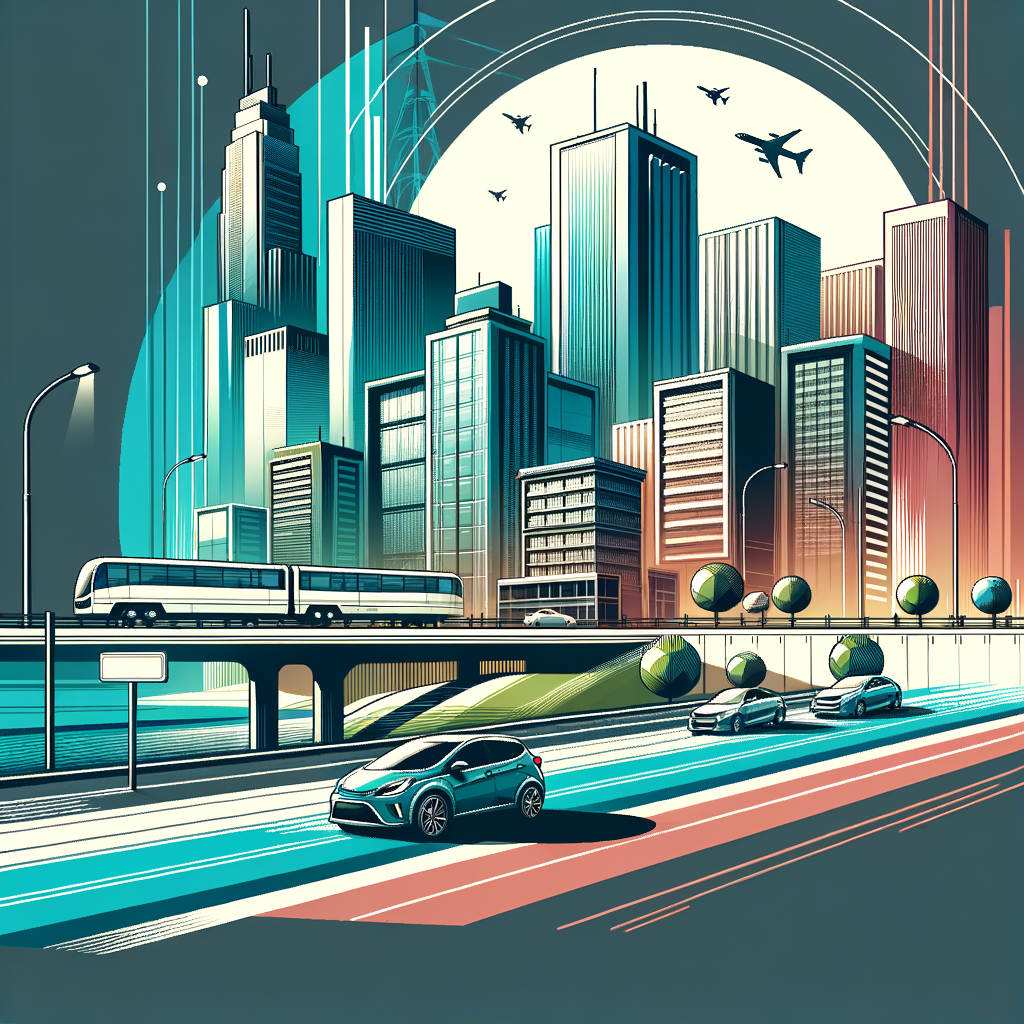
When you consider modern urban landscapes, it’s hard to imagine them without the ubiquitous presence of automobiles. Indeed, the impact of the automobile on urban planning has been both profound and transformative. The advent of cars allowed for greater personal mobility and convenience, leading to a significant shift in how cities have been designed and expanded over the past century. This shift has encompassed the architecture of road networks, the allocation of space for parking, and even the distribution of residential areas in relation to commercial and industrial zones. Within this context, urban planners have had to navigate a myriad of challenges and opportunities posed by the proliferation of automobiles. This article delves into the intricate relationship between automobiles and urban planning, exploring how the rise of personal vehicles irrevocably influenced the development and organization of urban environments, the social and economic repercussions of such changes, and the ongoing dialogue between sustainable practices and the dominant car culture. By tracing the historical evolution of urban infrastructures influenced by automobiles, we gain insight into the future possibilities for creating cityscapes that balance mobility, accessibility, and ecological responsibility. This exploration aims to provide a comprehensive understanding of how the automobile has been a double-edged sword in urban planning, facilitating connectivity and economic growth while also contributing to challenges like congestion, pollution, and sprawl.
Historical Context of Automobile Integration in Urban Planning
In the early 20th century, the automobile emerged as a symbol of freedom and modernity, sparking a wave of enthusiasm that quickly translated into increased vehicle ownership. Initial urban designs inadequately anticipated the automobile boom. Streets were primarily designed for pedestrians and horse-drawn carriages, creating bottlenecks and hazards as cars became more prevalent. This surge necessitated an overhaul of urban infrastructures to accommodate the new mode of transportation. Roads were widened, intersections redesigned, and traffic signals installed, laying the groundwork for the modernist cityscape. The introduction of zoning laws during this period marked a pivotal shift, segregating urban areas based on their intended use – residential, commercial, or industrial – morphing city layouts to cater heavily to automotive access.
Road Networks and Infrastructure Development
With the automobile’s popularity came the need for an extensive network of roads and highways that could support long-distance travel and intercity connectivity. This push for expansive road systems was especially pronounced in the United States during the mid-20th century with the Federal-Aid Highway Act of 1956. The establishment of the interstate highway system not only streamlined coast-to-coast travel but also prompted urban sprawl. Cities began spreading outward as people moved to suburban homes, facilitated by efficient road networks. This suburbanization, while offering spacious living, inadvertently led to the decline of urban centers as commercial activities followed the population, giving rise to the “shopping mall culture” on city outskirts and resulting in a neglected urban core. Meanwhile, the design of road infrastructure itself became a focus of urban planning, with considerations for future-proofing through measures like multi-lane highways, by-passes, and cloverleaf interchanges.
Parking and Space Allocation Challenges
The rise of the automobile necessitated more than just roads; it required significant rethinking of space allocation for vehicles when they were not in motion. Parking structures, large lots, and on-street spaces became integral to urban planning blueprints. Planners faced the challenge of optimizing space in already crowded cities, sometimes leading to the demolition of historic buildings or the repurposing of green spaces to accommodate parking demands. This trend was seen across metropolitan areas globally, reshaping city centers and often prioritizing vehicles over pedestrians. Increased car ownership also transformed the very fabric of residential areas, with driveways and garages becoming standard in housing designs. These changes have prompted a reevaluation of public spaces and their accessibility in cities, with some urban centers taking innovative approaches to reclaim areas from cars through pedestrian-centric design and car-free zones.
Impact on Public Transit Systems
While automobiles offered unparalleled personal mobility, their ascendancy often came at the expense of public transportation systems. As individuals opted for the privacy and convenience of cars, public transit ridership declined in many areas, leading to reduced service levels, underinvestment, and in some cases, the complete dismantling of public transport networks. This neglect created a cycle of dependency on automobiles, further entrenching their predominance in urban planning. However, some cities managed to maintain and develop robust public transportation systems, recognizing their role in alleviating road congestion and environmental impact. For instance, cities like Tokyo and New York have continued to prioritize and expand public transit alongside roadway improvements, demonstrating the potential for coexistence between personal vehicles and mass transit but often finding a disconnect in the convenience and flexibility a private automobile affords compared to fixed-route buses and trains.
Environmental and Social Implications
The environmental impacts of an automobile-centric urban design are manifold. Increased emissions contribute significantly to air pollution and climate change, while the proliferation of paved surfaces disrupts natural water cycles and contributes to urban heat islands. Socially, the emphasis on car infrastructure has often exacerbated inequities, disproportionately affecting those unable to afford a vehicle and thus limiting their accessibility to essential services and opportunities. The divide is evident in metropolitan areas where car ownership is synonymous with access, often reducing the quality of life for non-car owners. Furthermore, urban sprawl, driven by automobile accommodation, has led to the fragmentation of communities and the isolation of individuals who might otherwise engage with a tightly-knit urban fabric. As awareness of these issues grows, urban planners are increasingly advocating for more sustainable and equitable city designs that incorporate pedestrian pathways, cycling routes, and improved public transit options to mitigate the adverse effects of car-centric planning.
Modern Urban Planning Responses and Innovations
In response to the challenges posed by automobile dominance, contemporary urban planning has increasingly embraced a multi-modal approach. This strategy seeks to balance vehicle access with the promotion of alternative transportation modes, such as cycling, walking, and public transit. Cities across the globe are experimenting with transit-oriented development, promoting dense, walkable communities that are integrated with public transport infrastructure. Innovations in technology, such as smart traffic systems, car-sharing platforms, and electric vehicles, offer new ways to reduce congestion and pollution while maintaining mobility. Moreover, urban planners are deploying mixed-use developments that blur the lines between residential, commercial, and retail spaces, reducing the need for long commutes and revitalizing city centers with vibrant, diverse neighborhoods. These initiatives are part of a broader movement towards creating resilient and adaptable urban environments that can accommodate both current needs and future uncertainties in a post-car-dominant landscape.
Conclusion
The integration of the automobile into urban planning represents a complex interplay of technological advancement, economic forces, and societal change. While the automobile has facilitated enormous growth and innovation within cities, it has also brought considerable challenges that require thoughtful and informed responses from urban planners. The ongoing impact of cars on urban landscapes necessitates a balanced approach that considers environmental sustainability, equitable access, and efficient mobility. Future urban planning decisions will likely hinge on integrating emerging technologies, fostering sustainable urban growth, and promoting alternative transportation networks that reduce the reliance on automobiles. In light of climate change and increasing urban populations, cities have the opportunity to rethink traditional car-centric models and forge a path towards more sustainable and inclusive urban environments.
Ultimately, the future of urban landscapes will depend on their ability to adapt and innovate in response to the complex challenges and opportunities presented by the widespread use of automobiles. Through strategic planning, cities can effectively integrate the benefits of automotive transport while minimizing its environmental and social costs, creating vibrant, livable urban spaces for everyone. As society moves forward, the role of automobiles in urban planning will remain a crucial consideration, shaping the evolution of cities worldwide for generations to come.
Frequently Asked Questions
1. How has the development of automobiles influenced the road network design in urban areas?
The introduction of automobiles fundamentally reshaped urban road networks. Before cars, cities were designed primarily around pedestrian traffic, horse-drawn carriages, and bicycles, which didn’t require wide, paved streets. As cars became more common, cities needed to adapt. This led to the development of wider streets to accommodate two-way traffic, the installation of traffic lights to manage increasing traffic flow, and the creation of roundabouts to improve the efficiency of vehicle movement in congested areas. Highways and expressways were constructed to facilitate long-distance travel and connect city centers with suburbs, reflecting significant urban expansion. These infrastructures required extensive planning and investment, becoming a focal point of urban development. Additionally, the rise in personal vehicle ownership pushed cities to interconnect different regions more efficiently, increasing accessibility and shaping the modern urban landscape.
2. What impact has the automobile had on the allocation of urban spaces, particularly in terms of parking?
With the influx of automobiles, urban planners had to address the space needed for parking. This led to the introduction and expansion of parking spaces across cities. Urban areas began to allocate significant portions of land to surface parking lots or multi-story parking garages to accommodate vehicles. Commercial areas, shopping malls, and residential complexes had to incorporate parking spaces into their designs, dedicating ground-level areas for parking or constructing designated garages. Street parking regulations were also developed, and metered parking systems were introduced to efficiently manage space. The necessity to address parking forced planners to sometimes prioritize pavement space over green spaces, leading to reduced public outdoor areas in densely populated neighborhoods. This also raised concerns about environmental impact, as large paved areas contribute to urban heat islands and limit absorptive surfaces, exacerbating stormwater runoff issues.
3. How did the automobile revolution contribute to suburban sprawl?
The automobile has been a critical factor in facilitating and accelerating suburban sprawl. Before its widespread adoption, people lived closer to city centers due to the limitations of public transportation. However, the car offered a new level of flexibility and freedom, allowing individuals to live farther away from where they worked. This mobility enabled the expansion of suburbs, providing inhabitants with the comfort of larger homes and yards at lower costs compared to inner-city dwellings. Suburban sprawl often resulted in low-density, single-use zoning that segregated residential, commercial, and industrial areas, necessitating further reliance on vehicles for commuting and daily activities. With the geographic spread, cities needed to expand infrastructure, including road networks and utilities, often consuming large tracts of previously undeveloped land. While the quality of life improved for many, the spread also led to increased traffic congestion, environmental degradation, and challenges in delivering public services efficiently.
4. In what ways has the presence of automobiles affected public transportation systems?
The rise of automobiles significantly impacted the development and usage of public transportation systems. With personal cars offering convenience, privacy, and customization, many individuals shifted away from public transit options such as buses, trams, and trains. The reduced demand resulted in decreased funding and investment in public transportation infrastructure, leading to the deterioration of services in some regions. Urban planning decisions made to accommodate car use, like prioritizing road infrastructure developments over transit projects, enhanced this shift. Consequently, many mass transit systems struggled with issues related to out-of-date equipment, less frequent services, and decreased coverage areas, making them less attractive to daily commuters. Despite these challenges, in recent years, there’s been a renewed interest in revitalizing public transportation to reduce environmental impacts and traffic congestion, promoting more sustainable, car-alternative commuting options.
5. How has the car-centric urban planning approach impacted the environment?
Car-centric urban planning has had profound environmental impacts. The extensive road networks and expansive parking areas alter local ecosystems and contribute to habitat fragmentation. The increase in paved surfaces raises local temperatures due to the urban heat island effect, negatively impacting quality of life and increasing energy consumption for cooling purposes. Moreover, cars are significant sources of air pollution, emitting greenhouse gases like carbon dioxide and pollutants such as nitrogen oxides and particulate matter. This not only contributes to climate change but also deteriorates air quality, leading to public health issues. In addition, the dependency on automobiles increases fossil fuel consumption, further exacerbating environmental challenges. In response to these concerns, there’s a growing movement towards sustainable urban planning that integrates green spaces, promotes public transit, supports the development of bike lanes, and encourages the uptake of electric vehicles to mitigate these adverse impacts.