
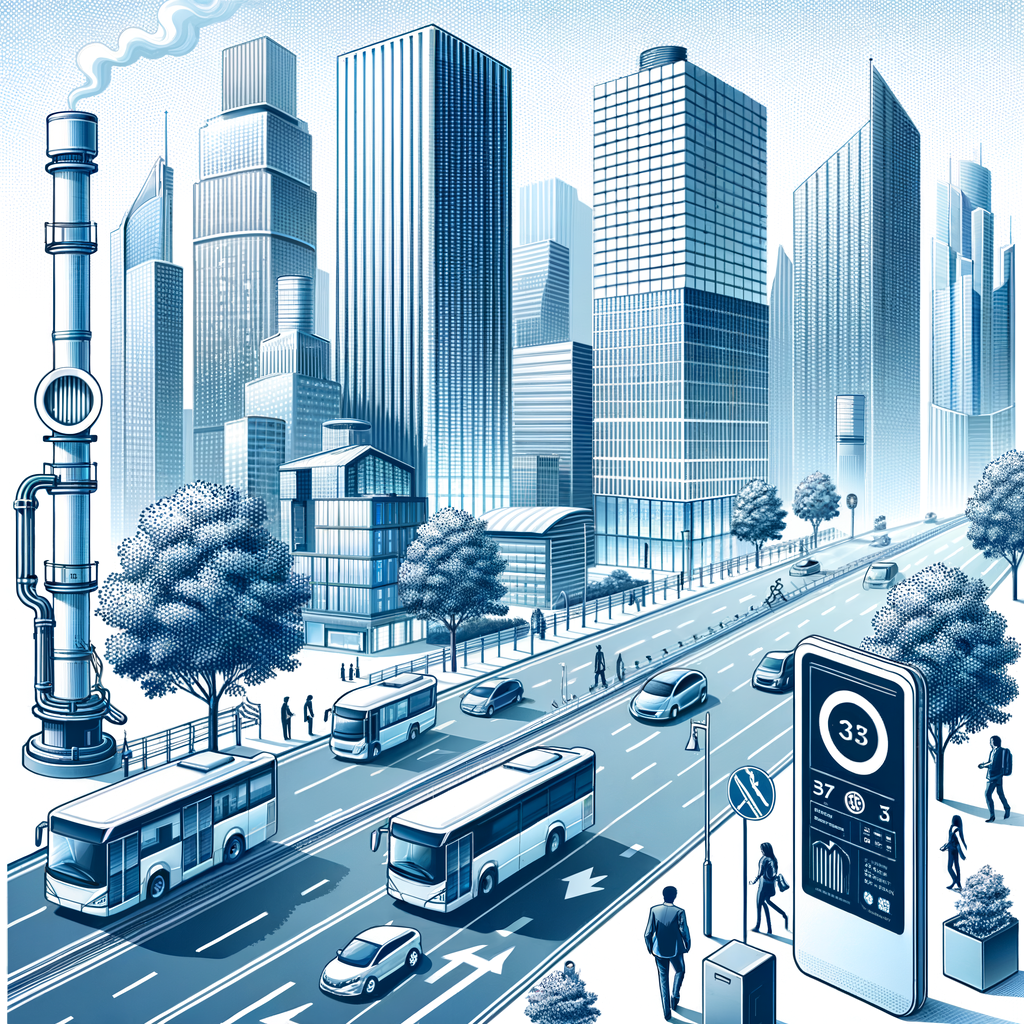
Urban infrastructure plays a crucial role in modern cities, greatly influencing the quality of life for their inhabitants. As cities continue to grow and evolve, they face numerous challenges, including congestion, pollution, and deteriorating air quality. The quality of infrastructure and urban planning dictates how these challenges are managed. Understanding how air quality monitoring intertwines with urban infrastructure is essential for urban leaders, policymakers, and citizens alike. Air quality monitoring in urban settings not only impacts public health but also affects urban planning and infrastructure development. This interrelation underscores the urgent need for integrated strategies that incorporate effective air quality monitoring alongside infrastructure development. By investing in and prioritizing these areas, cities can strive toward becoming healthier, more sustainable, and more livable. As urban spaces expand, the intricate balance between infrastructure and environmental health becomes increasingly evident, prompting exploration of innovative solutions and technologies to address urban air quality in alignment with infrastructure advancement.
The Relationship Between Urban Infrastructure and Air Quality
Urban infrastructure refers to the fundamental facilities and systems serving a city, including transportation networks, water supply, waste management, and communication systems. Infrastructure development has direct and indirect impacts on air quality. For instance, poorly designed transport systems might exacerbate traffic congestion, thus increasing vehicle emissions. Conversely, investing in public transport and non-motorized options like biking and walking infrastructure can significantly reduce the number of vehicles on the road, thereby improving air quality.
Industrial infrastructures, including factories and production plants often located within or on the outskirts of urban areas, contribute significantly to air pollution. Emissions from such sources can include particulates, chemicals, and gases that degrade air quality, affecting both the environment and human health. Therefore, stringent regulations and checks on industrial emissions and innovative practices can help mitigate their impact.
Green spaces and vegetation also play an essential role in influencing air quality within urban environments. Trees and plants help filter pollutants, absorb carbon dioxide, and release oxygen, thereby helping to maintain the ecological balance in a city. Designing infrastructure projects that integrate green spaces can therefore play an important part in improving urban air quality.
Implementing Air Quality Monitoring Systems in Urban Areas
The installation of advanced air quality monitoring systems in urban areas is imperative to track the levels of pollutants and assess the effectiveness of measures implemented to combat pollution. These systems employ various sensors and IoT technologies to provide real-time data on air quality conditions, which can then be analyzed to detect patterns and predict potential hazardous air quality events.
For air quality monitoring systems to be effective, they must be strategically placed across different urban settings, capturing data from key pollution hotspots such as industrial zones, traffic intersections, and high-density residential areas. This allows for a comprehensive understanding of pollution sources and their impacts across the urban landscape. Additionally, local governments and environmental agencies can tailor specific interventions suited to each area based on this insightful data.
Moreover, public awareness and engagement are critical components of air quality monitoring. By making air quality data readily available and understandable, citizens can be more informed about their environment, thus promoting community-driven solutions and advocacy for cleaner urban environments. Educational campaigns and digital platforms can play a crucial role in disseminating this information to the masses.
Technological Innovations in Air Quality Monitoring
With the advent of technology, modern air quality monitoring has seen the introduction of sophisticated devices and systems capable of providing more accurate and precise data than ever before. Wearable sensors, portable monitoring devices, and smartphones are being used to monitor personal exposure to air pollutants in addition to providing community-wide data.
Remote sensing technologies, including satellite-based monitoring, have proven to be instrumental in offering broader overviews of air quality trends over larger geographic areas and extended timeframes. This allows for the monitoring of regional pollution levels and transboundary air pollution, offering insights into how urban areas contribute to and are affected by air quality issues nationally and globally.
Incorporating machine learning and artificial intelligence in analyzing air quality data allows for improved predictive modelling and anomaly detection. These technologies can help predict pollution peaks and patterns, enabling proactive measures to be taken before the air quality deteriorates significantly. Such advancements also facilitate the development of air quality forecasting apps to aid public decision-making, whether it be choosing outdoor activities or implementing temporary traffic regulations during pollution peaks.
Policy and Regulatory Frameworks Supporting Air Quality Monitoring
Governments at local, regional, and national levels play a crucial role in supporting air quality monitoring programs through policy and regulatory frameworks. Setting enforceable air quality standards, as seen in actions like the Clean Air Act, provides legal backing for stakeholders involved in monitoring and improving urban air quality.
City planners and policymakers must coordinate with environmental agencies to align infrastructure development with stringent air quality standards and guidelines. This ensures that urban growth does not come at the cost of public health or the environment. Policy implementations promoting renewable energy sources and technologies will also help decrease reliance on fossil fuels, thereby cutting down pollution from traditional energy consumption methods.
Engagement with public health frameworks is necessary to formulate policies linking air quality data with health outcomes to assess the broader impact of pollution on public well-being. By bridging these sectors, air quality data can bolster actions taken across public health, infrastructure development, and environmental protection realms, forming a holistic approach.
The Environmental and Health Impacts of Poor Air Quality
Poor air quality presents numerous environmental challenges, deteriorating urban ecosystems, harming wildlife, and affecting vegetation. Air pollutants contribute to climate change and the formation of acid rain, further exacerbating environmental issues. Urban areas, due to their high density and concentrated human activity, experience amplified effects of these phenomena.
Health impacts of poor air quality on urban populations are profound, leading to a variety of health complications including respiratory diseases, cardiovascular conditions, and aggravated asthma. Vulnerable groups such as children, the elderly, and individuals with pre-existing health conditions are even more susceptible to the detrimental effects of air pollution.
Addressing the public health implications of air quality demands an integrated approach that considers both immediate solutions and long-term strategies. Immediate measures include issuing health advisories and enhancing healthcare access during high pollution days, while long-term strategies involve improving urban design to enhance air circulation, reduce vehicle emissions, and increase urban greenery.
Conclusion
Urban infrastructure and air quality monitoring are inextricably linked, with each influencing the sustainability and livability of city environments. As urban areas continue to evolve, investing in and improving infrastructure while simultaneously implementing effective air quality monitoring systems becomes paramount. The intertwined nature of these areas calls for collaborative efforts among various stakeholders, including government bodies, private sectors, and citizens to create actionable strategies that harmonize urban development and environmental health.
By leveraging technological innovations, supporting robust policy frameworks, and promoting public awareness, cities can make strides toward enhancing air quality and thus the overall quality of life. Recognizing air quality as a significant component of urban planning, leaders need to prioritize investments that curb pollution sources while fostering sustainable urban growth. Embracing such holistic initiatives will not only ameliorate current air quality issues but will also fortify urban resilience against future challenges. As we forge ahead, the harmony between urban infrastructure and air quality will define the livable, sustainable cities of tomorrow.
Ultimately, urban infrastructure and air quality monitoring epitomize a critical intersection of health, technology, and environmental policy, requiring continuous innovation and commitment to create urban spaces that thrive in harmony with nature.
Frequently Asked Questions
1. How does urban infrastructure influence air quality in cities?
Urban infrastructure has a substantial impact on the air quality of cities. It encompasses everything from roads, buildings, and energy systems to the design of public spaces. The way a city is built determines the amount and type of pollution it generates. For instance, if a city's infrastructure heavily relies on automobiles, this could lead to increased emissions from vehicles and poorer air quality. On the other hand, cities that invest in public transportation systems, cycling lanes, and pedestrian-friendly roads contribute to lesser vehicular emissions, thereby improving air quality. Modern infrastructure also includes green spaces which can help absorb carbon dioxide and other pollutants, having a positive impact on the urban airscape. Additionally, infrastructure planning that promotes clean energy use, such as solar or wind power, reduces reliance on fossil fuels, further improving air quality. Thus, by designing infrastructure thoughtfully, cities can manage pollution levels and enhance the quality of life for all their residents.
2. What is the role of air quality monitoring in urban areas?
Air quality monitoring plays a critical role in urban areas as it helps to keep track of the pollutants present in the atmosphere, providing the data needed to understand, control, and mitigate air pollution. Constantly monitoring air quality allows city leaders and policymakers to identify pollution hotspots, assess the effectiveness of policies aimed at reducing emissions, and help plan future urban development in a way that prioritizes environmental and public health. With modern air quality monitoring systems, data is gathered in real-time and can pinpoint the sources of pollution such as traffic, industry, or natural phenomena like dust storms. This information is crucial for devising immediate strategies to tackle poor air quality, such as implementing road closures in congested areas, advising residents on health protection measures, or launching long-term plans for infrastructure improvements. Furthermore, air quality monitoring raises public awareness about environmental issues, empowering citizens to advocate for cleaner air and engage in activities that reduce their own emissions.
3. How can cities improve their air quality through infrastructure development?
Cities can improve air quality through strategic infrastructure development that prioritizes sustainable and eco-friendly practices. One effective approach is enhancing public transportation networks, which can significantly decrease the dependency on private vehicles that contribute heavily to city emissions. By investing in electric buses, trams, subways, and robust bicycle networks, cities encourage people to shift to cleaner, more sustainable modes of transport. Secondly, incorporating green infrastructure, such as parks, green roofs, and urban forests, can help absorb pollutants and provide cleaner air while also offering recreational spaces for inhabitants. Additionally, cities can invest in modernizing energy infrastructure by integrating smart grids and renewable energy systems such as solar panels and wind turbines, thus reducing reliance on fossil fuels. This transition to clean energy sources is pivotal in decreasing industrial emissions that impact air quality. By planning infrastructure with a focus on sustainability, cities not only improve air quality but also promote a healthier environment and enhance the quality of urban life.
4. What are some technological advancements in air quality monitoring?
Technological advancements have revolutionized air quality monitoring, making it more efficient, accurate, and accessible. Modern monitoring systems now include advanced sensors capable of detecting a wide range of pollutants, such as particulate matter, nitrogen dioxide, sulfur dioxide, carbon monoxide, and ozone. These sensors can be installed across cities in stationary units or utilized in mobile systems such as moving cars and drones. The data collected by these sensors is analyzed in real-time using cloud-based platforms that leverage data analytics and machine learning to provide detailed reports and forecasts. Additionally, the emergence of low-cost sensor networks has democratized air quality monitoring, allowing citizens and local organizations to participate actively in data collection and awareness campaigns. Mobile apps linked with monitoring systems provide residents with real-time updates on air quality, empowering them to make informed decisions about their health and daily activities. Technological advancements also facilitate better collaboration between cities globally, enabling them to share insights and strategies in combating air pollution.
5. What challenges do cities face in implementing effective air quality monitoring programs?
Cities face several challenges in implementing effective air quality monitoring programs. First, the financial constraint is a significant hurdle for many cities, especially in developing regions, as setting up and maintaining sophisticated monitoring systems require substantial investment. This includes costs for equipment, data management, and trained personnel to analyze the collected data. Another challenge is the technical complexity of integrating different data sources and ensuring that the monitoring network accurately covers the entire city, including urban and suburban areas. Moreover, cities may struggle with regulatory and policy challenges, as air quality management often requires collaboration between various governmental and nongovernmental agencies. There can also be challenges related to public engagement, as fostering a culture of awareness and accountability among residents requires continuous effort and strategic communication. Lastly, cities must navigate the dynamic nature of emission sources and evolving environmental standards, which demands constant adaptation and upgrades to monitoring technologies and processes. Addressing these challenges requires commitment from urban leaders and a collaborative effort between the public and private sectors to create sustainable, high-quality infrastructure that meets the needs of modern urban living.