
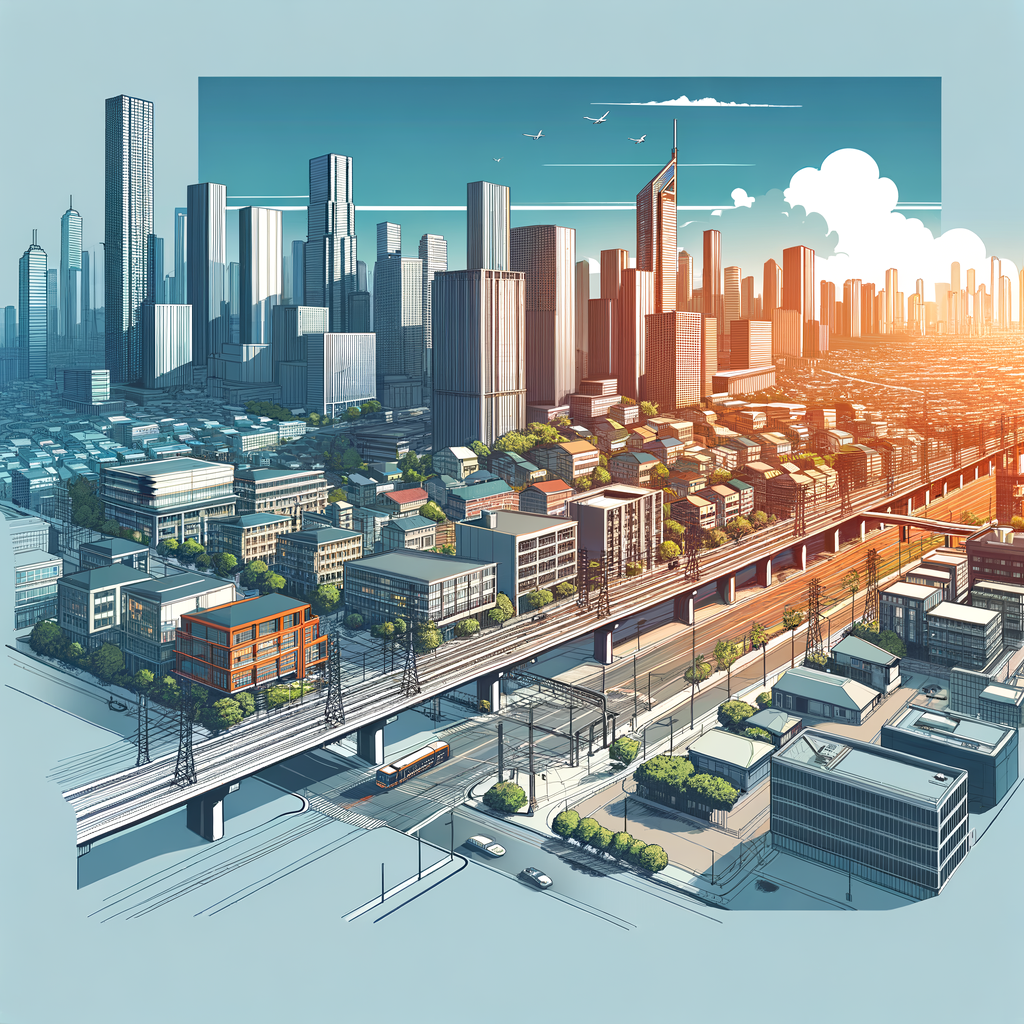
Urban infrastructure significantly impacts how cities grow and develop. With the increasing need for sustainable urban solutions, many cities worldwide focus increasingly on mixed-use development. This concept is at the heart of a more integrated approach to urban planning, merging residential, commercial, cultural, institutional, and entertainment opportunities. The role of urban infrastructure in supporting mixed-use development cannot be overstated, as it fosters economic growth, community engagement, and environmental sustainability. Infrastructure serves as the backbone, enabling the seamless operation and integration of diverse urban functions. This article will explore the relationship between urban infrastructure and mixed-use development, discussing various infrastructure components such as transportation networks, utilities, green spaces, and zoning laws. We’ll examine how these elements collectively contribute to a city’s dynamism and adaptability, ensuring that mixed-use spaces thrive in an ever-evolving urban landscape. Understanding these interactions helps city planners, policymakers, developers, and residents align their efforts toward creating vibrant, sustainable communities. This comprehensive look at the role of urban infrastructure is integral to comprehending how cities can effectively manage growth and ensure livability for their residents. It emphasizes long-term community resilience and the benefits of strategically planned infrastructures in urban settings.
The Foundation of Mixed-Use Development: Transportation Networks
Transportation networks are critical in shaping the effectiveness of mixed-use development. They are the circulatory system of a city, linking various components and ensuring smooth accessibility and mobility for residents, workers, and visitors. Well-integrated transportation systems encompass diverse modes, such as public transit, walkways, and cycling paths, all contributing to connecting people to different parts of the city with ease.
A robust public transit network is indispensable for successful mixed-use development. By providing efficient and reliable transportation options, cities can reduce dependency on personal vehicles and alleviate traffic congestion. Public transit systems, including buses, trains, and subways, offer viable options for commuting, encouraging people to live closer to their workplaces. This proximity promotes interactions among diverse urban components such as residential units, business hubs, and recreational facilities—a hallmark of mixed-use development.
Additionally, walkability and bike-friendliness are equally vital in supporting mixed-use urban areas. Infrastructure such as sidewalks, crosswalks, pedestrian plazas, and dedicated bike lanes facilitates safe and enjoyable non-motorized transport. It enables residents to conveniently access amenities and encourages healthier, active lifestyle choices. Urban planners increasingly prioritize such measures to create vibrant and lively urban environments that maximize personal interaction and community engagement.
Utilities and Services: Backbone of Urban Living
Utilities and services form another crucial pillar of urban infrastructure that underpins mixed-use development. Reliable access to water, electricity, and waste management is essential for the smooth functioning of any urban space. The efficient management and distribution of these resources are crucial to maintaining the viability of mixed-use developments.
Water supply systems ensure consistent delivery, supporting both everyday residential needs and the operational requirements of commercial and institutional entities. In addition, advanced waste management systems offer environmental and health benefits, reducing pollution and improving the quality of life for urban residents. Implementing systems that adapt to the changing needs of diverse urban entities involved in mixed-use developments is fundamental.
Furthermore, sustainable energy solutions, such as decentralized energy grids and renewable energy sources, are increasingly becoming part of urban planning strategies. These solutions cater to the energy demands of densely populated mixed-use areas, offering both ecological benefits and resilience against outages. They contribute significantly to the overall sustainability of urban environments, powering residential and commercial zones with minimal carbon footprints.
Zoning Laws and Regulatory Support
Urban infrastructure extends beyond physical elements, involving legal and regulatory frameworks that facilitate mixed-use development. Zoning laws define how land can be used within a city and determine the layout, density, and character of urban areas. Well-conceived zoning regulations accommodate mixed-use developments, directing growth while mitigating potential land-use conflicts.
Mixed-use zoning laws are essential for breaking down traditional segregation between residential, commercial, and industrial land uses. They allow cities to adapt to modern urban needs by creating flexible frameworks that encourage diverse functionalities within the same vicinity, thereby maximizing urban space utilization.
The regulatory environment also includes supportive policies, incentives, and public-private partnerships that encourage stakeholders to invest in mixed-use projects. It is critical for cities to establish regulatory environments conducive to mixed-use development, balancing economic viability with community well-being and environmental stewardship. Properly executed zoning and regulatory measures align urban growth with infrastructural capabilities, creating cohesive, multifunctional landscapes.
Environmental and Social Considerations
The inclusion of green spaces and consideration of social infrastructure are vital components of urban infrastructure. These elements contribute to the livability and sustainability of mixed-use developments, enhancing the quality of life for city dwellers. Parks, gardens, and other recreational areas not only offer residents places for leisure and relaxation but also serve as natural buffers against urban pollution.
Green infrastructure supports biodiversity and mitigates urban heat island effects, making urban environments more comfortable and sustainable. Cities are increasingly embracing ecological urbanism, integrating natural elements within densely built environments to promote healthier ecosystems and resilient communities.
Moreover, social infrastructure, including schools, healthcare facilities, and community centers, forms an integral part of mixed-use development, fostering equitable access to opportunities and resources. These amenities contribute to community cohesion and enhance residents’ sense of belonging. By embedding social infrastructure within mixed-use developments, cities can promote inclusivity and ensure holistic urban growth.
Conclusion
Urban infrastructure is indispensable in facilitating and sustaining mixed-use development, providing the framework necessary for modern cities to thrive. The interconnected components of infrastructure—transportation networks, utilities, zoning laws, and environmental and social aspects—work synergistically to support diverse urban functionalities. By prioritizing well-integrated infrastructures, cities can address the multifaceted challenges of urbanization, fostering sustainable, livable, and dynamic environments.
The future of urban development relies on rethinking and reshaping infrastructure to better cater to mixed-use paradigms. Stakeholders must collaborate to refine and implement infrastructural strategies that address both current demands and anticipatory shifts in urban living patterns. By aligning infrastructure development with principles of sustainability, equity, and resilience, cities can create vibrant spaces that accommodate diverse needs and promote overall well-being.
As urban centers continue along their growth trajectories, the strategic role of infrastructure in supporting mixed-use development remains crucial. Through informed planning and proactive policymaking, we can enhance the livability and functionality of our urban landscapes, ensuring that the cities of tomorrow are more inclusive, adaptive, and responsive to the needs of all residents.
Frequently Asked Questions
1. What is mixed-use development and why is it important in urban planning?
Mixed-use development is an urban planning and design approach that combines residential, commercial, cultural, institutional, and in some cases, industrial uses into a singular area or building. This approach is diverging from the traditional separation of land uses, which often results in sprawling developments and isolated areas of activity. Mixed-use development is crucial because it creates vibrant, walkable neighborhoods where people can live, work, and play without having to rely heavily on cars. This can lead to significant reductions in traffic congestion and pollution—a vital goal for sustainable urban environments. Furthermore, mixed-use developments contribute to economic growth by supporting local businesses and increasing property values, which can provide an overall boost to city revenues through taxes. It also promotes community engagement as it brings together diverse groups of people, enhancing social interaction and cultural exchange.
2. How does urban infrastructure support mixed-use development?
Urban infrastructure plays an integral role in supporting mixed-use development by providing the essential foundations upon which these areas are built and efficiently function. Key components include transportation systems, public utilities, and digital infrastructure. Transportation systems like subways, buses, and pedestrian walkways improve accessibility, making it easier for people to travel between different use types within a development. The presence of efficient public transit can greatly reduce the necessity for personal vehicles, leading to lower emissions and less traffic congestion. Public utilities, including water, sewage, and electricity, are the backbone of any successful urban community. Reliable and sustainable utility solutions ensure that mixed-use developments can accommodate higher population densities without compromising the quality of life of their residents. In today's digital age, digital infrastructure, such as high-speed internet and smart city technologies, supports the connectivity and interactivity of these communities. Such infrastructure provides residents and businesses with the tools they need for both personal and professional advancement, contributing to higher productivity levels and increased appeal of the area.
3. How does mixed-use development contribute to economic growth?
Mixed-use development fuels economic growth by creating environments that are conducive to business opportunities and job creation. By integrating residential, commercial, and entertainment spaces, these developments attract a diverse range of businesses—from small retailers and restaurants to large office spaces. The presence of a nearby residential population boosts the local economy, as residents become frequent patrons of local businesses, thereby increasing revenue and fostering a stable consumer base. This vibrant ecosystem attracts more businesses, further propelling economic activity and employment rates within the area and beyond. Moreover, mixed-use developments are often catalysts for attracting talent and stimulating innovation. A lively, diverse neighborhood can draw in individuals who are eager to contribute to and partake in an economically thriving ecosystem. These individuals bring varied skills and perspectives that can drive new business ventures and economic diversification. The increase in property value associated with successful mixed-use developments also enhances tax revenues, which can be reinvested into urban infrastructure and services, creating a virtuous cycle of economic prosperity.
4. What challenges does urban infrastructure face in supporting mixed-use development?
Despite its numerous advantages, supporting mixed-use development through urban infrastructure poses several challenges. One primary challenge is the existing rigid zoning laws that separate land uses into distinct categories. Often, it requires significant regulatory changes and community buy-in to transition towards a mixed-use framework. Infrastructure capacity is another issue. As mixed-use developments tend to attract higher densities, the existing infrastructure, such as roads, water, and sewer systems, may need upgrades to accommodate the increased demand. This can lead to substantial investments and planning to ensure that the infrastructure can sustain the developmental load without service disruptions. Financing infrastructure development is challenging as well. Funding substantial infrastructure projects requires coordination among multiple layers of government and private stakeholders, demanding a high level of collaboration and shared vision. Lastly, there's the challenge of community resistance due to NIMBYism (Not In My Back Yard) often seen with mixed-use projects. Residents may be resistant to changes in their neighborhood, fearing increased traffic or changes in the community character. Successfully negotiating these hurdles requires strategic communication, demonstrating the long-term benefits of mixed-use developments for economic growth, and improved lifestyle options for the community.
5. How can technology be leveraged to optimize urban infrastructure in mixed-use developments?
Technology is a game-changer in optimizing urban infrastructure for mixed-use developments. Advanced technologies such as smart city solutions, IoT (Internet of Things), and data analytics can lead to more efficient and sustainable urban environments. Smart transportation systems, powered by IoT, can provide real-time data on traffic patterns, helping optimize traffic flow and reduce congestion. Smart traffic lights and adaptive transportation modes, such as bicycle-sharing and ride-sharing platforms, can offer dynamic and flexible mobility solutions. Energy-efficient buildings that incorporate smart technologies can optimize consumption, thus lowering the carbon footprint. For instance, sensors and automation in buildings can adjust lighting, HVAC systems based on occupancy or natural light levels, leading to reduced energy consumption and costs. Furthermore, technology can enhance utility management. Smart water management systems can monitor usage patterns, detect leaks instantly, and enable efficient resource distribution. Similarly, waste management systems can use data analytics to optimize collection schedules and routes, reducing carbon emissions from garbage trucks. Another significant aspect is digital connectivity, which bridges the gap between communities and urban services. Whether through high-speed internet facilitating telecommuting or mobile applications providing real-time updates on local amenities and events, digital infrastructure ensures that residents and businesses in mixed-use developments remain well-connected and engaged with their urban environment, enhancing the quality of life and work in these vibrant, integrated communities.