
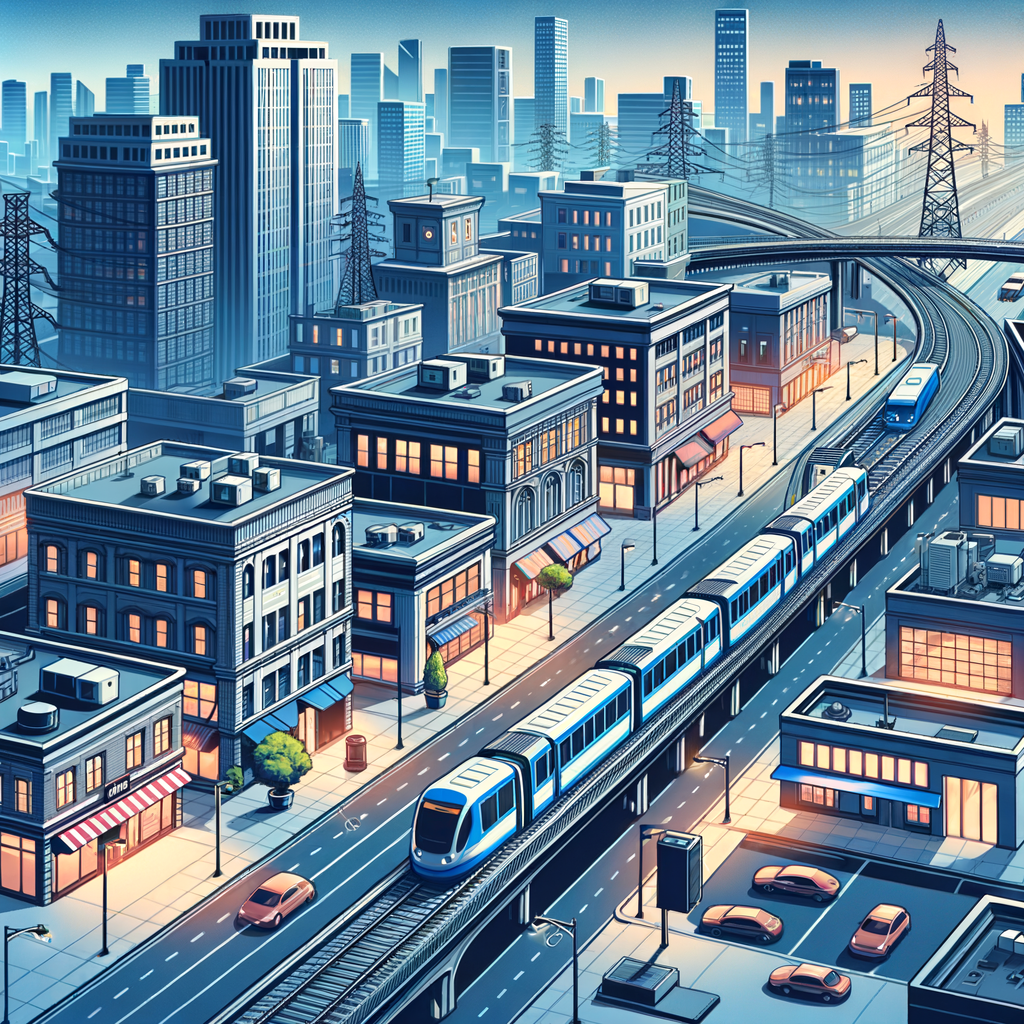
Urban infrastructure plays a crucial role in the vitality, efficiency, and growth of local businesses. Cities thrive on an intricate web of roads, utilities, and public services that facilitate economic activities and foster connectivity. Urban infrastructure impacts every aspect of business operations, from logistics and supply chain efficiency to customer accessibility and employee commuting. Without a well-developed infrastructure, local businesses struggle to reach their full potential, which in turn affects the overall economic health of the community. This article delves into the various dimensions of urban infrastructure and how it supports and stimulates growth in local businesses.
In today’s rapidly changing economic landscape, competition among cities to attract and retain businesses is intense. Cities must offer robust infrastructure that caters to the diverse needs of different industries. Infrastructure is not just a backdrop for business activities but a dynamic factor that influences business strategy, costs, and competitiveness. Investment in modern infrastructure is essential for sustainable urban growth and for empowering local enterprises to thrive in a globalized economy. Here, we explore the pivotal components of urban infrastructure, such as transportation networks, digital connectivity, utilities, and public amenities, and examine their roles in enhancing business operations.
Moreover, policy and planning play critical roles in aligning infrastructure development with business needs. Public-private partnerships often emerge as effective strategies for bridging gaps between government capabilities and business requirements. As cities evolve, the integration of smart technologies into infrastructure is becoming essential, offering new opportunities for innovation and optimization. This symbiotic relationship between urban infrastructure and local business development underscores the significance of strategic planning and investment to unlock economic potential. Understanding how these elements interconnect will provide valuable insights into optimizing urban environments for local business success.
The Impact of Transportation Networks
Transportation infrastructure forms the backbone of urban development and is crucial for the sustenance and growth of local businesses. Robust transportation networks make it easier for goods and services to move efficiently, reducing delays and associated costs. Roads, bridges, railways, ports, and airports facilitate distribution channels, influencing pricing structures, profit margins, and market reach. For businesses relying on logistics and supply chain management, efficient transport systems are indispensable. An optimal transportation network enhances productivity, lowers operational costs, and increases market access, allowing businesses to compete on a global scale.
Urban areas equipped with comprehensive public transit systems attract a diverse workforce by providing accessible commuting options. For employees, the ability to commute conveniently reduces stress and increases job satisfaction, leading to better performance and higher retention rates. Additionally, businesses in areas with diverse transport options can draw customers from a wider geographical area, boosting sales and fostering economic vitality. Investment in infrastructure projects like road improvements or rapid transit expansions can significantly elevate local business opportunities by reducing travel times and congestion.
Beyond traditional transportation, the evolution of multimodal transport options, which integrate bikes, scooters, and pedestrian pathways, caters to the modern urbanite’s preference for green, sustainable options. These choices support local commerce by dispersing foot traffic throughout urban areas, encouraging spontaneous shopping experiences. Moreover, environmentally conscious infrastructure projects align with an increasing global emphasis on sustainability, attracting both businesses and consumers who prioritize ecological responsibility. As cities strive to minimize carbon footprints, urban transportation infrastructure that encompasses these alternative options becomes both a practical necessity and a draw for eco-focused enterprises.
Digital Connectivity and Smart Technologies
In the contemporary business environment, digital infrastructure is as essential as physical infrastructure. High-speed internet, robust mobile networks, and cutting-edge digital platforms enable businesses to thrive in the digital economy. For local businesses, reliable internet connectivity facilitates e-commerce, digital marketing, and remote work capabilities, broadening their customer base beyond geographical constraints. Additionally, access to cloud computing and digital collaboration tools enhances operational efficiency, enabling small businesses to scale up without significant physical expansion.
The integration of smart technologies into urban infrastructure transforms the business landscape by optimizing urban operations and reducing costs. Smart grids, IoT devices, and data analytics allow cities to manage resources more effectively, creating an environment where businesses can flourish. For example, intelligent traffic management systems reduce congestion, lowering transportation costs and improving delivery times. Data-driven insights into consumer behavior help businesses tailor their offerings, enhancing customer satisfaction and loyalty.
Moreover, the proliferation of digital connectivity facilitates innovative business models and services, such as on-demand platforms, subscription services, and personalized experiences. Cities leveraging smart city technologies create fertile ground for startups and tech ventures, attracting talent and investment. As a result, urban areas that prioritize digital infrastructure development position themselves as competitive business hubs. For local enterprises, adopting digital best practices becomes crucial for remaining viable and competitive in the fast-paced digital landscape.
Utilities and Energy Infrastructure
The availability and reliability of utilities like water, electricity, and sewage are basic yet vital components of urban infrastructure supporting local businesses. Consistent energy supply is crucial for production processes, office functions, and customer service operations. Unscheduled power outages or fluctuations can disrupt operations, leading to financial losses, equipment damage, and reputation harm. Businesses require resilient energy infrastructure to ensure uninterrupted operations, and investments in renewable energy sources can also offer long-term cost savings and sustainability credentials.
Water and waste management infrastructure is similarly critical, particularly for sectors like manufacturing, hospitality, and healthcare. Efficient water supply systems, sewage processing, and sanitation facilities ensure business continuity and uphold health standards. For example, restaurants depend on reliable water supplies for daily operations, and disruptions can lead to closure and customer dissatisfaction. Advanced waste management services also contribute to a cleaner urban environment, bolstering community appeal and thus indirectly benefiting local businesses.
Innovations in utility management, such as smart meters and renewable energy systems, contribute to cost efficiency and sustainability. By adopting energy-efficient practices, businesses can reduce operational costs and environmental impact, appealing to eco-conscious consumers. Urban areas that invest in modern utilities infrastructure empower local businesses to integrate sustainable practices into their operations, aligning with global trends towards environmental responsibility. This forward-looking approach not only supports sustainability goals but can also improve community quality of life, attracting residents and businesses alike.
Public Amenities and Social Infrastructure
Public amenities and social infrastructure such as parks, libraries, and cultural centers are pivotal to the quality of life in urban areas, making cities attractive places for businesses to operate. These elements create vibrant communities with high living standards, drawing both talent and consumers to the area. Businesses benefit from increased foot traffic and a steady influx of potential customers partaking in these amenities. Areas with well-maintained parks and recreational spaces often become social hubs, spurring the development of nearby retail and dining establishments that capitalize on regular visitation.
Social infrastructure also plays a crucial role in workforce development and education, contributing to a well-equipped labor market. Libraries, education centers, and training facilities provide community members access to resources and learning opportunities, fostering skill development and innovation. Businesses gain competitive advantages from a skilled workforce that can drive innovation and maintain productivity. Urban areas that invest in high-quality education and training facilities create a conducive environment for enterprise growth and innovation.
In addition, civic amenities such as community centers and event spaces can bolster local business activities by hosting seminars, conventions, and public events. These gatherings foster networking, idea exchange, and partnerships among local businesses, enhancing the collaborative spirit and stimulating economic activity. Furthermore, a community-centric approach to urban planning that includes public spaces and social services ensures inclusive growth, allowing small and emerging businesses to thrive alongside established enterprises.
Public-Private Partnerships and Strategic Planning
Strategic development in urban infrastructure involves effective collaboration between government authorities and private enterprises, often in the form of public-private partnerships (PPPs). These partnerships enable the pooling of resources, expertise, and innovations from both sectors, accelerating infrastructure projects and ensuring they meet business requirements. Governments provide regulatory frameworks and initial investments, whereas private entities contribute technical know-how and operational efficiency. This synergy results in infrastructure that is tailored to contemporary business needs, ensuring that investments lead to tangible outcomes.
Moreover, strategic urban planning involves aligning infrastructure development with the actual needs of local businesses. This requires understanding the economic landscape, market trends, and community priorities. Cities that engage in comprehensive urban planning processes can subsequently design infrastructure projects that address business requirements and anticipate future trends. This forward-thinking approach prevents obsolescence and ensures that infrastructure investments continue to deliver value over time.
Additionally, public-private initiatives contribute to job creation and economic diversification, bolstering local economies. Collaborations in sectors like transportation, energy, and digital connectivity attract private investment, stimulating local business ecosystems and enhancing community wealth. By leveraging both public mandates and private innovation, cities can construct resilient, adaptable infrastructures that empower local businesses to navigate the rapidly shifting global economy and secure long-term growth.
Conclusion
The complex interplay between urban infrastructure and local businesses highlights the importance of strategic investments and policies in this arena. Modern cities keen to attract and nurture businesses must prioritize and innovate their infrastructure offerings, ensuring they align with evolving business models and consumer expectations. From transportation networks and digital connectivity to utilities, public amenities, and educational facilities, each aspect of urban infrastructure contributes to the business environment’s holistic support system.
By recognizing and acting on the crucial relationship between urban infrastructure and business success, cities can enhance their economic resilience, increase competitiveness, and improve quality of life for residents. As we move further into the 21st century, it will become increasingly important for cities to leverage technology and foster collaborations between governmental and private entities to address infrastructure challenges effectively. By doing so, urban areas can create conducive environments where local businesses not only survive but flourish, thereby invigorating local economies and supporting global competitiveness.
Ultimately, investment and innovation in urban infrastructure are investments in the future prosperity of local businesses and the communities they serve. By constructing resilient and adaptive urban environments, cities ensure they remain vibrant, attractive places for business, fostering growth, innovation, and economic vitality. As we look to the future, cities that succeed in this endeavor will stand as models for others striving to harmonize urban infrastructure with the needs and aspirations of local businesses.
Frequently Asked Questions
1. How does urban infrastructure influence the success of local businesses?
Urban infrastructure, including transportation systems, utility networks, and public services, is the backbone that supports the success of local businesses. A well-connected road network, for example, ensures efficient logistics and supply chain operations, enabling businesses to receive goods and supplies on time and deliver products to customers without delays. This not only reduces operational costs but also enhances customer satisfaction, leading to repeat business and increased profitability. Moreover, infrastructure like high-speed internet and reliable telecommunications is indispensable for modern businesses, whether they're small boutiques or tech startups. It allows them to reach broader markets, engage with customers through digital platforms, and conduct business operations efficiently. Urban amenities such as public transport also play a significant role. They provide easy access for employees, reducing commuting time and improving productivity. Furthermore, retail businesses flourish in areas with vibrant infrastructure that attracts foot traffic, such as well-maintained sidewalks, sufficient lighting, and appealing public spaces.2. What are some examples of urban infrastructure that directly support local businesses?
Key examples of urban infrastructure include:- Transportation systems: Roads, highways, and public transit routes that ensure the smooth movement of goods and people.
- Public utilities: Water supply, electricity, natural gas, and sewage systems that provide essential services required for day-to-day business operations.
- Digital infrastructure: Broadband internet and telecommunication networks which are critical for accessing online markets and running digital operations.
- Civic amenities: Public spaces, parking facilities, and green areas that enhance the appeal of business districts and improve the overall quality of life.
- Healthcare facilities: Accessible healthcare services that ensure the wellbeing and productivity of employees and consumers alike.